
Augsburg: Where Ancient Commerce Meets Modern Innovation
Roman Roots and Medieval Prosperity
The foundations of this Bavarian gem were laid in 15 BCE, when Emperor Augustus established a military camp along the Alpine trade routes. Augusta Vindelicorum, as the settlement was known, quickly grew into a significant provincial capital. Evidence of this ancient heritage can still be discovered throughout the modern cityscape – fragments of Roman walls peek through later constructions, and beneath the bustling squares, archaeological layers reveal centuries of continuous habitation.
By the Middle Ages, wealth flowed through the city like water through its many canals. Textile production and metalworking transformed the settlement into one of Central Europe's most prosperous trading centers. The power wielded by merchant families during this period would forever alter the course of European finance and politics.
Things to do in Augsburg
The Fugger Dynasty
No discussion of the city's golden age can be undertaken without acknowledging the Fuggers. This banking dynasty accumulated wealth that rivaled kingdoms, lending money to emperors and popes alike. Their influence extended across continents, from the spice markets of India to the silver mines of South America.
The Fuggerei, established in 1521, stands as a testament to their philanthropic vision. This social housing complex – the world's oldest still in use – was created to provide affordable accommodation for the city's poor. Today, rent remains fixed at approximately one euro per year, though residents must recite daily prayers for the Fugger family. Walking through its quiet streets feels like stepping through a portal into the 16th century, with well-maintained houses painted in warm ochre tones surrounding peaceful gardens and fountains.
Renaissance Splendor
The wealth generated during the 15th and 16th centuries was poured into architectural masterpieces that continue to define the cityscape. The Rathaus, completed in 1620, dominates the central square with its distinctive onion dome and towering façade. Inside, the Goldener Saal – the Golden Hall – dazzles visitors with its ornate ceiling frescoes and gilded surfaces. Restored after wartime destruction, this ceremonial chamber represents the pinnacle of German Renaissance interior design.
Nearby, merchant houses with elaborately painted façades line the Maximilianstraße. Each building tells a story of prosperity and pride, their architectural details speaking to the refined tastes of their original owners. The Schaezlerpalais, with its magnificent Rococo ballroom, showcases the transition to later baroque aesthetics that swept through wealthy European households.
Waters and Canals
The relationship between the city and its waterways has been cultivated over centuries. An ingenious canal system, first developed in medieval times, diverted water from the Lech River to power mills, workshops, and fountains. At its peak, over 500 water-powered facilities operated within the city walls, making it one of the most industrialized centers north of the Alps.
The UNESCO recognition granted to this historic water management system in 2019 acknowledges its exceptional engineering and cultural significance. Visitors can trace the network of canals through the old town, discovering hidden waterwheels, picturesque bridges, and fountains that have bubbled continuously for hundreds of years. The sound of flowing water provides a constant backdrop to urban life, a reminder of the ingenuity that drove medieval prosperity.
Religious Crossroads
The Peace of Augsburg, proclaimed in 1555, represented a watershed moment in European religious history. This treaty established the principle that rulers could determine the faith of their territories, fundamentally altering the political landscape of the Holy Roman Empire. The city itself became a model of confessional coexistence, with Catholic and Protestant communities living side by side – not always harmoniously, but with a pragmatic tolerance born of economic necessity.
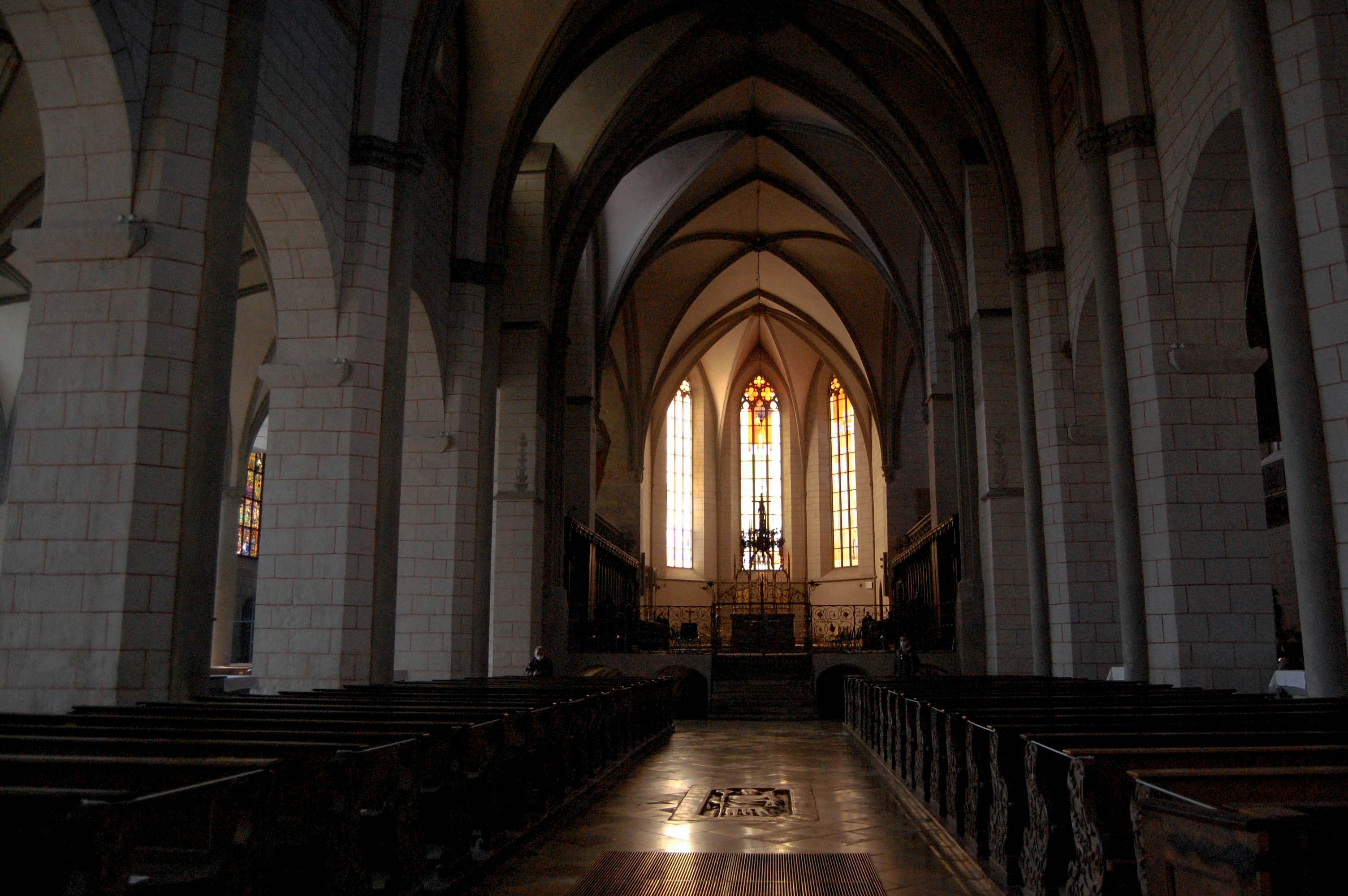
This religious duality can be witnessed in the cathedral complex, where the Dom Maria Heimsuchung displays both Romanesque origins and later Gothic modifications. Its bronze doors, cast in the 11th century, depict biblical scenes with remarkable artistry. Nearby, the Protestant churches of St. Anna and St. Ulrich stand as monuments to Lutheran faith and artistic achievement.
The Mozart Connection
Musical heritage runs through the city's veins, particularly the connection to the Mozart family. Leopold Mozart, father of Wolfgang Amadeus, was born here in 1719. The house where he grew up has been converted into a museum celebrating both father and son. Through personal artifacts, instruments, and manuscripts, the museum traces Leopold's journey from bookbinder's son to respected composer and violin pedagogue, as well as his crucial role in nurturing his son's extraordinary talents.
The tradition of musical excellence continues to this day. Concert halls host performances ranging from classical to contemporary, and the annual Mozart festival draws enthusiasts from around the world.
Industrial Evolution
While many cities struggled to transition from medieval trade centers to industrial powerhouses, this Bavarian metropolis embraced manufacturing innovation. Textile mills gave way to engineering works, and by the 20th century, major manufacturing facilities had been established within and around the urban area.
The industrial legacy shaped modern economic life significantly. Engineering prowess developed over generations continues to drive employment and innovation. Research facilities and technology parks now occupy former industrial sites, demonstrating how historical strengths can be adapted to contemporary challenges.
War and Reconstruction
The Second World War left deep scars. Air raids destroyed large portions of the historic center, reducing centuries-old buildings to rubble. The post-war reconstruction effort faced difficult choices: should ruins be rebuilt as they were, or should modernization take precedence?
The solution adopted was characteristically pragmatic. Key monuments like the Rathaus were painstakingly restored to their former glory, while damaged residential areas were rebuilt with modern efficiency. The result feels authentic rather than like a theme park, with contemporary buildings coexisting alongside restored historical structures in a harmonious urban fabric.
Cultural Tapestry
Museums and galleries throughout the city offer windows into different aspects of its rich past. The Maximilianmuseum houses collections spanning from Roman artifacts to Renaissance sculpture. The textile heritage can be explored through extensive displays of historic fabrics and production methods. Contemporary art finds a home in the Glaspalast, a converted industrial building that now hosts rotating exhibitions.
Theater and performing arts maintain strong traditions. The Staatstheater presents opera, ballet, and drama to discerning audiences, while smaller venues throughout the old town offer experimental and avant-garde performances.
Green Spaces and Recreation
Parks and gardens provide breathing space within the urban environment. The Botanical Garden, established in the 18th century, cultivates thousands of plant species in carefully designed landscapes. On warm days, locals gather in the Hofgarten, once a private ducal garden, now a beloved public park where children play and visitors relax beneath ancient trees.
The rivers and canals offer opportunities for waterside walks and cycling. Paths follow the Lech through natural landscapes on the city's outskirts, where wildlife thrives alongside recreational areas.
Culinary Traditions
Bavarian cuisine dominates local tables, though influences from neighboring Swabia add distinctive flavors. Traditional restaurants serve hearty classics: schweinebraten with dumplings, sauerbraten in rich gravy, and seasonal specialties like white asparagus in spring. Beer gardens buzz with conversation on summer evenings, foam-topped steins reflecting centuries of brewing tradition.
Yet the culinary scene extends far beyond traditional offerings. International restaurants bring flavors from around the world, while innovative chefs reinterpret classic dishes with modern techniques and sensibilities. The weekly markets overflow with regional produce, artisan cheeses, and baked goods that have been perfected over generations.
Student Life and Innovation
Universities and research institutions inject youthful energy into the historic streets. Students from across Germany and beyond fill cafes and libraries, their presence ensuring the city remains dynamic and forward-looking. Research focuses on fields ranging from environmental technology to medical innovation, building on centuries of intellectual tradition.
The collaboration between academic institutions and industry creates opportunities for innovation. Start-ups benefit from support networks and funding programs, while established companies tap into emerging talent and fresh ideas.
Modern transportation connections make exploration of the broader Bavarian region straightforward. Within an hour's journey, travelers can reach Munich, where different aspects of Bavarian culture and history await discovery. The convenience of contemporary infrastructure means visitors can experience multiple facets of southern German life while using this historic city as their base. Each evening, the Rathaus facade glows against the darkening sky, its illuminated presence a reminder that history lives not in museums alone, but in the ongoing life of a community that honors its past while building its future.


 Home
Home Wishlist