
Chester: Where Roman Walls Guard Timeless Stories
Footsteps on Roman Foundations
The city walls stand as silent witnesses to nearly two millennia of history. Built by the Romans around 70 AD, these sandstone fortifications remain the most complete defensive barriers in Britain. A two-mile circuit can be walked along their top, offering views that shift between medieval rooftops and contemporary street life below. The experience of traversing these ancient ramparts becomes meditative – each step taken on stones worn smooth by countless generations.
At the Eastgate, the most photographed clock in England after Big Ben was erected in 1897 to commemorate Queen Victoria's Diamond Jubilee. Below this ornate timepiece, Roman soldiers once stood guard, watching for threats from the east. The juxtaposition of Victorian celebration atop Roman military architecture speaks volumes about how layers of history get woven together over centuries.
Things to do in Chester
The Rows: Architecture's Medieval Mystery
Something extraordinary happened in the 13th and 14th centuries along the main shopping streets. Two-tiered galleries were constructed, creating covered walkways at first-floor level while shops operated both above and below. These Rows, found nowhere else in the world with such completeness, transform ordinary shopping into an exploration of architectural curiosity.
Theories about their origin have been debated by historians for generations. Some suggest they were built upon Roman ruins, others point to medieval ingenuity in maximizing commercial space. Whatever their genesis, the effect remains enchanting – black-and-white timber-framed buildings lean over the walkways, their reflections caught in shop windows selling everything from artisan chocolates to bespoke jewelry.
Cathedral Shadows and Sacred Spaces
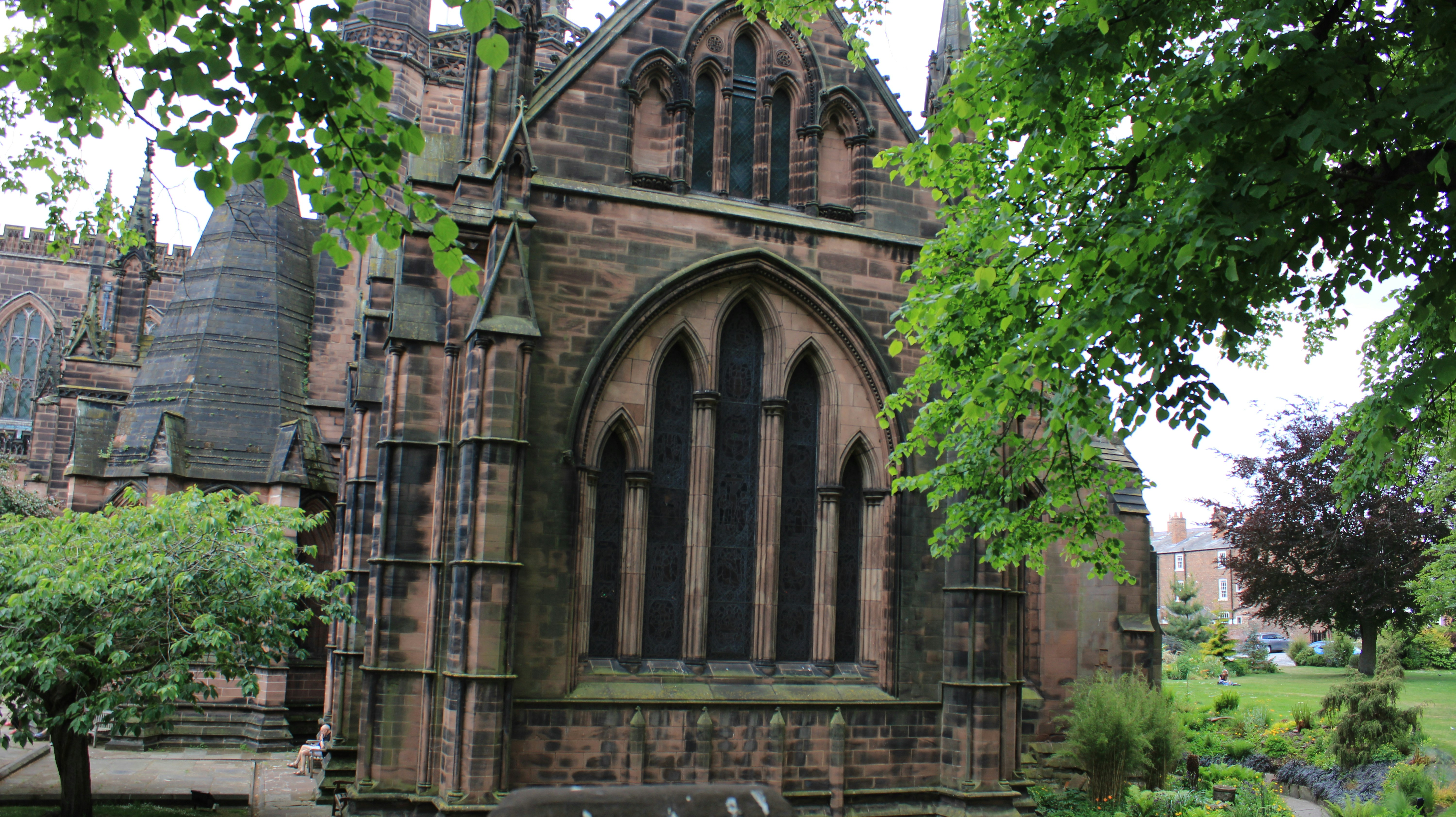
The Cathedral Church of Christ and the Blessed Virgin Mary began its life as a Benedictine abbey in 1092. After the Dissolution of the Monasteries, the building was transformed into a cathedral in 1541. Its red sandstone walls glow warmly in afternoon light, their surface texture revealing the marks of centuries of weathering.
Inside, the medieval choir stalls deserve particular attention. Carved in the 14th century, their misericords depict scenes both sacred and profane – biblical stories sit alongside satirical images of everyday medieval life. These hidden carvings, meant to be viewed by monks alone, offer an intimate glimpse into medieval humor and spirituality.
The River's Eternal Flow
The River Dee has shaped this city's fortunes since Roman times. Once a major port, the waterway gradually silted up, diminishing maritime trade by the 18th century. Today, the Groves – a promenade along the riverbank – offers peaceful respite from urban bustle. Rowing boats can be hired during warmer months, their gentle progress downstream accompanied by the calls of swans and geese.
The Old Dee Bridge, completed in the early 14th century, carried all southbound traffic for centuries. Its asymmetric arches and weathered stonework speak of countless crossings – merchants with their wares, pilgrims bound for holy sites, soldiers marching to distant wars. The bridge has borne witness to the full drama of British history.
Victorian Grandeur and Industrial Heritage
The 19th century brought renewed prosperity through canal and railway development. The Grosvenor Museum houses exceptional collections documenting this period of transformation. Roman artifacts sit alongside Victorian household items, creating dialogues across centuries. The museum's approach to curation emphasizes how ordinary objects become extraordinary when viewed through the lens of time.
At the Roodee, horse racing has been practiced since the 16th century, making it Britain's oldest racecourse still in operation. The track encircles what was once the Roman harbor – another instance of ancient geography shaping modern recreation. Race days draw crowds who gather not just for sport but for tradition itself.
Black and White Revival
The distinctive mock-Tudor architecture that characterizes much of the city center was largely created during the Victorian era. Wealthy industrialists commissioned elaborate half-timbered buildings that romanticized medieval aesthetics while incorporating modern comforts. This architectural movement, sometimes criticized as pastiche, has ironically become integral to the city's identity.
Buildings like the Grosvenor Hotel demonstrate this Victorian enthusiasm for Gothic and Tudor revival. Designed by Thomas Meakin Lockwood, the structure combines genuine medieval elements salvaged from demolished buildings with 19th-century craftsmanship. The result feels both authentic and constructed – a physical manifestation of Victorian attitudes toward heritage.
Markets and Meeting Places
The Forum, formerly the Market Square, has served as the city's commercial and social heart for generations. Markets have been held here since medieval times, though the current market hall dates from Victorian redevelopment. The rhythm of market days – the calls of vendors, the examination of produce, the exchange of coins and conversation – connects present inhabitants to centuries of predecessors who conducted the same rituals of commerce.
Nearby, Town Hall Square hosts festivals, concerts, and public gatherings. The Town Hall itself, built between 1864 and 1869 in Gothic Revival style, towers over the space with elaborate stonework and a 160-foot clock tower. Its grandiosity reflects Victorian confidence and civic pride.
Gardens of Contemplation
Roman Gardens were created in the 1950s to display archaeological remains discovered during excavations. Fragments of columns, hypocaust systems, and building foundations have been arranged in a setting designed for quiet reflection. These ruins, incomplete and weathered, somehow convey more about Roman life than perfect reconstructions ever could.
The Grosvenor Park, designed by Edward Kemp and opened in 1867, demonstrates Victorian landscaping at its finest. Winding paths lead through carefully planned vistas, while the park's elevated position provides views across the city and into Wales beyond. Locals and visitors alike seek out its benches for reading, sketching, or simply watching the play of light through mature trees.
Gastronomic Evolution
The culinary scene reflects the city's character – respectful of tradition while embracing innovation. Historic pubs serve locally brewed ales in rooms where oak beams bear the marks of age. The Falcon, The Bear and Billet, and other establishments occupy buildings that have witnessed centuries of changing tastes and customs.
Cheshire cheese, produced in the surrounding countryside for over 700 years, appears on many menus. Its crumbly texture and salty tang pair beautifully with the region's traditional oatcakes. Contemporary restaurants meanwhile bring international influences, creating fusion dishes that would astonish medieval inhabitants but somehow feel appropriate in a city accustomed to cultural exchange.
Evening Transformations
As daylight fades, the city undergoes subtle transformation. The cathedral becomes floodlit, its Gothic windows glowing from within. The walls cast dramatic shadows across pathways once patrolled by Roman sentries. Ghost tours wind through narrow lanes, guides recounting tales of plague victims and Civil War skirmishes.
Theaters and music venues draw crowds seeking entertainment. The Storyhouse, a contemporary cultural center housed in the former Odeon cinema, hosts performances ranging from classical drama to experimental theater. This venue demonstrates how historic buildings can be reimagined without losing their essential character.
The experience of wandering these ancient streets after dark brings a particular magic. Sounds carry differently in the evening air – distant laughter from pub gardens, the chime of church bells marking hours, footsteps echoing on stone. In such moments, the boundary between past and present seems permeable, as though the city exists in multiple time periods simultaneously.
For travelers seeking destinations where history feels alive rather than merely preserved, this Cheshire treasure offers authentic connection to Britain's layered past. The journey can be further extended by exploring Liverpool, where maritime heritage tells different stories of Britain's relationship with the wider world, just a short distance to the north.


 Home
Home Wishlist