
Forbach: A border town with a rich industrial heritage
In the northeastern corner of France, where the country's border meets Germany, a town with a unique blend of cultures and a fascinating industrial past can be found. Forbach, nestled in the heart of the Moselle department, stands as a testament to the region's complex history and its ongoing transformation in the face of economic challenges.
A Strategic Location
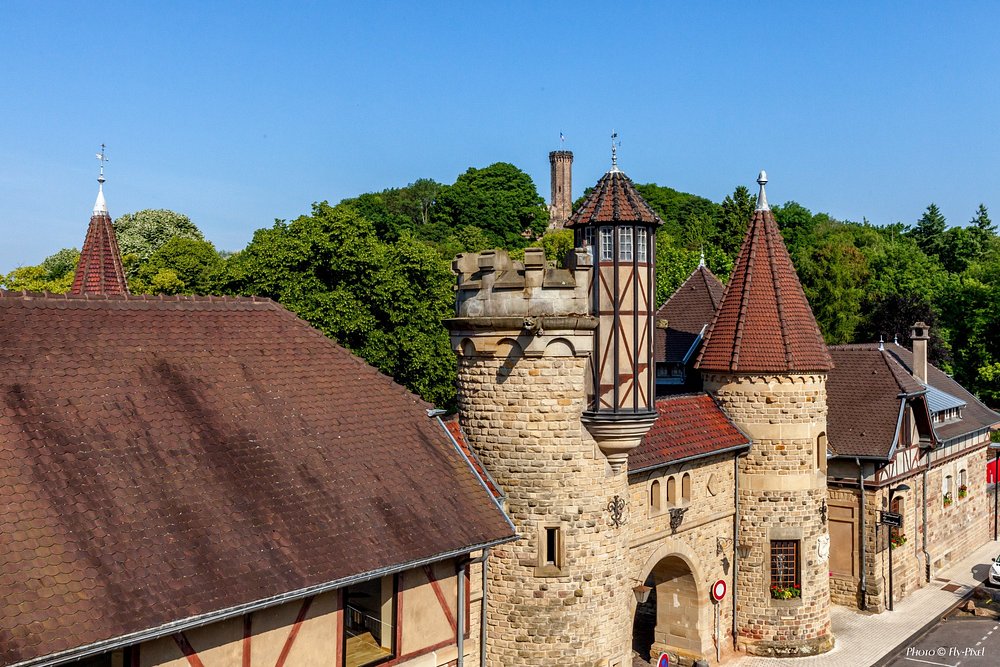
Forbach's strategic position on the Franco-German border has long been recognized as significant. Throughout history, the town has been passed between French and German control multiple times, resulting in a rich cultural tapestry that is reflected in its architecture, cuisine, and even the local dialect. This unique heritage is celebrated by the town's residents, who take pride in their ability to navigate between two of Europe's most influential cultures.
Things to do in Forbach
Industrial Roots
The town's identity was profoundly shaped by the coal mining industry that dominated the region for over a century. The Lorraine coalfield, of which Forbach was a crucial part, fueled France's industrial revolution and post-war reconstruction. Evidence of this industrial past can still be seen in the town's landscape, from the distinctive terraced houses built for miners to the imposing pit head frames that once dotted the skyline.
While the last coal mine in the region was closed in 2004, Forbach's industrial heritage is not forgotten. The Petite-Rosselle Coal Mining Museum, located just outside the town, offers visitors a chance to explore this important chapter of local history. Underground galleries and authentic mining equipment are preserved, allowing guests to experience the challenging conditions faced by generations of miners.
A Town in Transition
Like many former mining towns, Forbach has faced significant challenges in recent decades. The closure of the mines led to economic difficulties and population decline. However, the town has shown remarkable resilience and a determination to reinvent itself.
Efforts have been made to diversify the local economy, with a focus on attracting new industries and fostering entrepreneurship. The Eurozone Forbach Nord business park has been developed to provide modern facilities for companies looking to take advantage of the town's cross-border location.
Cultural Offerings
Despite its industrial reputation, Forbach boasts a surprisingly rich cultural scene. The Le Carreau Scène Nationale de Forbach et de l'Est mosellan is a modern theater that hosts a variety of performances throughout the year, from contemporary dance to avant-garde theater. This cultural center serves as a symbol of the town's commitment to the arts and its desire to offer residents and visitors alike access to high-quality cultural experiences.
The Burghof, a beautifully restored 18th-century mansion, now houses the town's museum. Here, visitors can explore exhibits on local history, including artifacts from the Gallo-Roman period and displays showcasing the town's mining heritage.
Natural Beauty
While Forbach's industrial past often takes center stage, the town is surrounded by natural beauty that shouldn't be overlooked. The nearby Warndt Forest offers numerous hiking and cycling trails, providing a green escape for nature lovers. This vast woodland, which stretches across the border into Germany, is a reminder of the region's natural resources that extend beyond its mineral wealth.
Cross-Border Connections
Forbach's proximity to Germany remains one of its greatest assets. The town is twinned with Völklingen, just across the border, and strong ties exist between the two communities. Many residents commute to work in Saarbrücken, the capital of Germany's Saarland state, which is easily accessible by train or car. This cross-border fluidity is a defining characteristic of life in Forbach, contributing to its unique atmosphere and economic opportunities.
Looking to the Future
As Forbach continues to navigate the challenges of post-industrial transition, there is a sense of cautious optimism about the town's future. Investments in education, including the expansion of the University of Lorraine's presence in the town, are seen as crucial for developing the skills needed in the modern economy.
The town's leaders are also exploring ways to capitalize on Forbach's border location and industrial heritage to attract tourists interested in exploring the region's complex history. There is a growing recognition that the town's past, rather than being a burden, can be a unique selling point in an increasingly homogenized world.
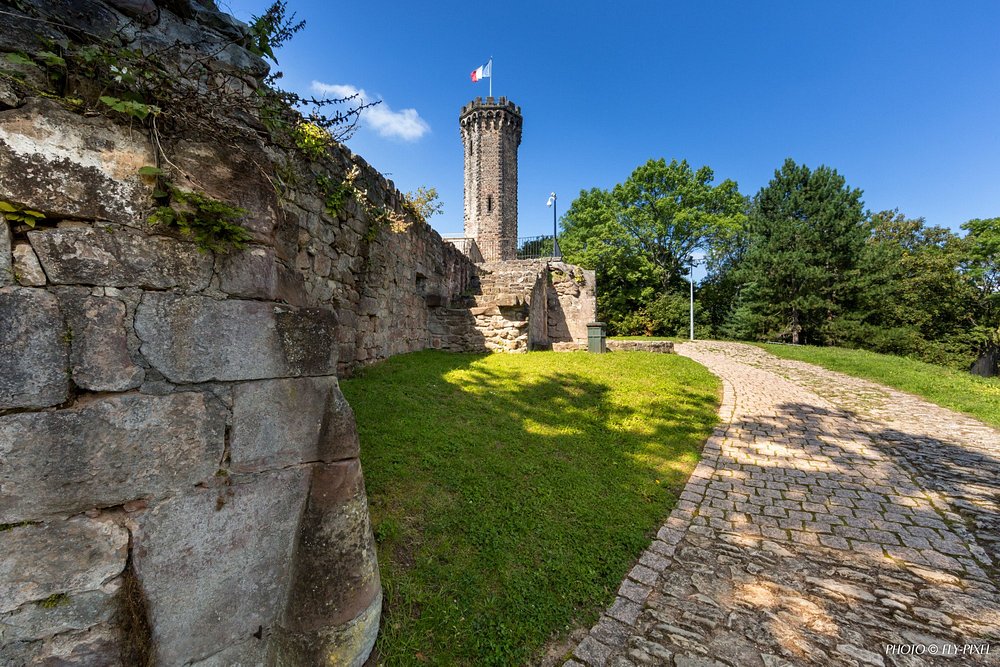
Forbach may not have the instant recognition of some of France's more famous destinations, but it offers visitors a chance to explore a different side of the country. Here, in this border town with its mix of French and German influences, visitors can gain insights into the industrial history that shaped modern Europe and witness firsthand the ongoing process of economic and cultural reinvention.
For those interested in exploring more of France's diverse regions, a visit to Lille in the north offers another perspective on the country's industrial heritage and cultural richness. Like Forbach, Lille has successfully transformed itself from an industrial center into a vibrant, modern city while preserving its unique character.


 Home
Home Wishlist