
Logroño: Where Wine Culture Flows Through Every Corner
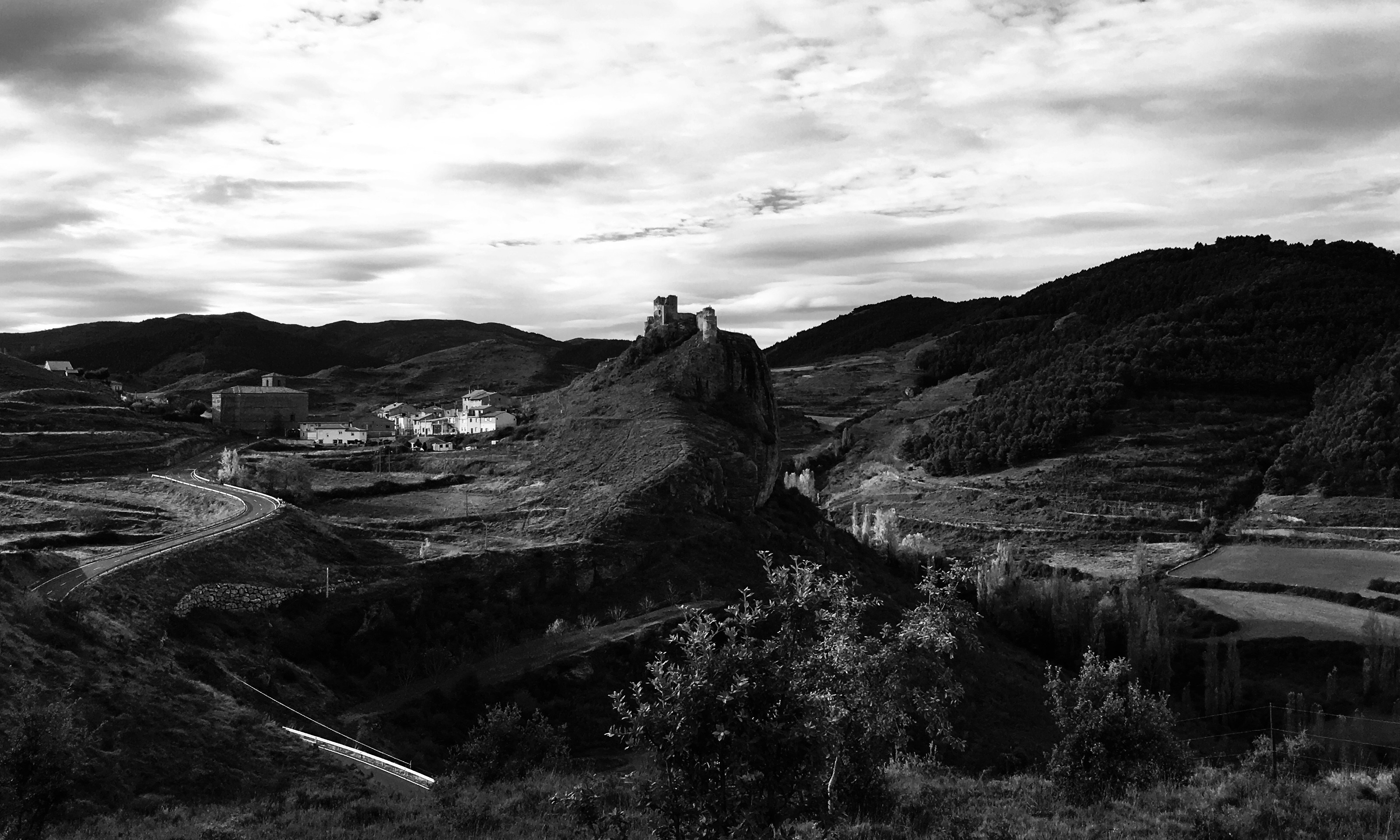
A Street That Tells Stories
The heart of local life has been captured along a single thoroughfare for generations. Calle del Laurel and its adjacent streets form what locals have dubbed the "Senda de los Elefantes" – the Path of the Elephants. This nickname was earned not from any pachyderm presence, but from the swaying gait adopted by those who've sampled too generously from the countless bars lining these medieval lanes.
Each establishment along this famous route has been specialized in a signature tapa for decades. At one counter, champignons sautéed with garlic and parsley have been perfected over three generations. Next door, tortilla española gets sliced into perfect wedges, each piece a study in the delicate balance between runny and set. The ritual has been refined into a social choreography: a small glass of wine, a carefully crafted bite, then movement to the next venue where the pattern gets repeated.
What distinguishes this experience from similar traditions found elsewhere comes from the authenticity that has been preserved. Prices remain remarkably reasonable, locals still outnumber tourists on most evenings, and the practice has been maintained not as a show for visitors but as a genuine expression of how life gets lived here.
Things to do in Logrono
Where Faith Meets the Camino
For over a millennium, footsteps have been worn into the stones leading through the old quarter. The Camino de Santiago passes directly through the city center, and the presence of pilgrims has shaped the urban landscape in subtle but significant ways. The Iglesia de Santiago el Real was built specifically for these travelers, its baroque facade welcoming weary walkers since the 16th century.
Above the main entrance, an unusual statue can be observed: Santiago Matamoros, mounted on horseback. The iconography has sparked debate in recent years, but its historical significance cannot be denied. Pilgrims have been blessed beneath this figure for centuries, their staffs and scallop shells marking them as participants in one of Christianity's oldest continuous traditions.
The Puente de Piedra, a stone bridge spanning the Ebro, has been crossed by countless peregrinos making their way westward. Built in the 12th century and rebuilt several times since, this structure connects the old town with the newer developments across the river. At dawn, small groups can often be spotted making their crossing, their shadows long in the early light, continuing a journey that has been undertaken by millions before them.
The Science of Fermentation
Wine production has been documented in this region since Roman times, but the modern understanding of viticulture was transformed here during the 19th century. When phylloxera devastated French vineyards, winemakers from Bordeaux brought their expertise south across the Pyrenees. Traditional methods were combined with French techniques, and an identity was forged that distinguished Rioja wines on the world stage.
Today, the Estación Enológica de Haro – though technically in neighboring Haro – represents the research and innovation that continues to push boundaries. But within the city itself, numerous bodegas offer windows into both historical and contemporary production methods. In century-old calados carved beneath the streets, thousands of bottles age in cool darkness, while above ground, tasting rooms have been designed with sleek modernity.
The distinction between Crianza, Reserva, and Gran Reserva gets explained with passion by sommeliers who've dedicated their lives to understanding these classifications. Oak aging, temperature control, and the precise moment when a wine reaches its peak – these topics get discussed with the seriousness that others might reserve for philosophy or art.
Markets and Morning Rituals
Before the sun fully rises, activity has already begun at the Mercado de San Blas. Vendors arrange produce brought in from the surrounding countryside: pimientos del piquillo from nearby Lodosa, white asparagus thick as thumbs, artichokes still wearing their morning dew. The quality of ingredients available reflects the agricultural richness that defines La Rioja.
Relationships between vendors and customers have been built over years, sometimes decades. A brief conversation gets exchanged about a daughter's wedding or a grandson's school performance, then hands select the ripest tomatoes or the freshest fish, brought up that morning from the Cantabrian coast. These transactions represent more than commerce; they're the threads that weave community together.
Nearby, the market's bar has been claimed by early risers seeking their morning coffee and perhaps a small brandy to accompany it. Newspapers get shared, opinions get voiced about local politics or the previous night's football match. By mid-morning, the energy shifts as home cooks arrive to source ingredients for the day's meals, their practiced eyes assessing quality with expert precision.
Festival Spirit
When September arrives, the entire city transforms for the Fiestas de San Mateo. For a week, celebrations have been held honoring both the patron saint and the grape harvest. The festival was granted International Tourist Interest status, recognizing traditions that stretch back to the 12th century.
During these days, wine flows even more freely than usual. The Batalla del Vino takes place in nearby Haro, where participants drench each other with thousands of liters of young wine, but celebrations echo throughout the region. Traditional dances get performed in period costume, brass bands parade through streets decorated with banners, and the pressing of the first grapes gets marked with ceremonial gravity.
What makes these celebrations remarkable comes from their genuine nature. While tourists certainly attend, the festivals have been maintained primarily for local enjoyment. Families gather for multi-generational celebrations, old friendships get renewed, and the connection between people and land gets reaffirmed through ritual and revelry.
Modern Transformations
While tradition remains deeply valued, stagnation has been carefully avoided. The riverside areas have been reimagined in recent decades, with parks and recreational spaces created where industrial zones once stood. The Paseo del Ebro now offers kilometers of pathways for cycling and walking, connecting neighborhoods that were previously separated.
Contemporary architecture has been introduced thoughtfully, complementing rather than competing with historical structures. The Palacio de Congresos de La Rioja, designed by Rafael Moneo, demonstrates how bold modern design can coexist with ancient urban fabric. Its angular forms and innovative use of materials create striking contrasts with the baroque and Renaissance buildings surrounding it.
Education and innovation have been prioritized, with the University of La Rioja attracting students from across Spain and beyond. Research into enology, viticulture, and agronomy gets conducted at high levels, ensuring that the region's primary industry continues evolving. Young professionals have been drawn by opportunities in wine tourism, hospitality, and emerging tech sectors, bringing fresh energy while respecting established traditions.
Quiet Corners and Hidden Gems
Beyond the famous tapas route and tourist highlights, quieter discoveries await those willing to wander. The Parque del Ebro stretches along the riverbank, its paths shaded by plane trees where locals walk dogs or jog in the relative cool of evening. Families claim benches for impromptu picnics, and the gentle sound of water creates a soundtrack distinct from the busier commercial districts.
In the Casco Antiguo, small plazas open unexpectedly between buildings. The Plaza del Mercado, with its arcade of columns, provides respite from summer heat. Here, older residents gather on benches, conversations flowing in the unhurried manner of those who've known each other for lifetimes. Time seems measured differently in these spaces, where the frantic pace of modern life has been kept at bay.
Shops selling traditional products – specialty foods, handcrafted items, religious articles – have been maintained by families across generations. These establishments represent continuity in an age of rapid change, their survival a testament to the value placed on preserving what makes this place distinctive.
After days spent wandering these streets, sampling wines pressed from grapes grown in surrounding vineyards, and experiencing the genuine warmth extended to strangers, understanding deepens about what sustains a place like this. The balance struck between honoring the past and embracing the future creates something worth protecting. For travelers seeking experiences beyond the expected, journeys might eventually lead to other distinctive destinations – perhaps the historic charm found in places like Regensburg offers similar rewards for those willing to look beyond surface attractions.


 Home
Home Wishlist