
Padova: Where Ancient Wisdom Meets Modern Vitality
The Legacy of Learning
The university was founded in 1222 by scholars seeking academic freedom, and since then, its influence has been woven into every aspect of city life. The Palazzo del Bo, the university's historic headquarters, stands as a monument to centuries of intellectual pursuit. Within its Renaissance courtyard, the world's first permanent anatomical theater was constructed in 1595 – a steep, wooden structure where medical students once gathered to witness dissections by candlelight.
These halls were walked by Galileo Galilei, who taught physics here between 1592 and 1610. His original lectern has been preserved, a simple wooden desk from which revolutionary ideas about the cosmos were first articulated. The university's reputation drew scholars from across Europe, creating an atmosphere of international exchange that continues to define the city's character today.
Things to do in Padova
Frescoes That Changed Art
The Cappella degli Scrovegni holds what many consider one of humanity's greatest artistic achievements. Between 1303 and 1305, Giotto di Bondone covered the chapel's interior with frescoes that revolutionized Western painting. The brilliant blue vault overhead – achieved using costly lapis lazuli imported from Afghanistan – creates an immersive celestial atmosphere, while the walls tell the story of salvation through remarkably human figures.
What makes these frescoes groundbreaking was Giotto's departure from the flat, stylized figures of Byzantine tradition. His characters were given weight, emotion, and psychological depth. Their expressions convey genuine grief, joy, and contemplation. This breakthrough toward naturalism would ripple through the Renaissance and beyond, fundamentally altering how artists approached their craft.
Visits to the chapel are carefully controlled to preserve the fragile pigments. Small groups are admitted after spending time in a climate-controlled chamber, creating a sense of anticipation before entering the sacred space. The experience feels less like viewing art and more like stepping into a meditation on human existence.
Saints and Pilgrims
The Basilica di Sant'Antonio dominates the cityscape with its Byzantine domes and soaring campaniles. This vast complex was built to house the remains of Saint Anthony, the Portuguese friar who died here in 1231 and quickly became one of Christianity's most beloved saints. Pilgrims have been drawn to his tomb for nearly eight centuries, creating a constant flow of visitors from every corner of the globe.
Inside, the atmosphere shifts between solemn devotion and artistic splendor. Donatello's bronze sculptures grace the high altar – powerful works that capture both spiritual intensity and physical realism. The saint's tongue and jaw bone are displayed in ornate reliquaries, objects of veneration that speak to medieval traditions of sacred relics.
The basilica's treasury holds centuries of donated objects – jeweled monstrances, embroidered vestments, and votive offerings left by grateful pilgrims. These items tell countless stories of faith, hope, and gratitude spanning generations.
Squares and Social Rhythm
Daily life unfolds across interconnected piazzas, each with its own character and purpose. The Prato della Valle, one of Europe's largest squares, was redesigned in the late 18th century as an elliptical space surrounded by a canal and decorated with 78 statues of notable citizens. On market days, vendors spread their wares across the vast expanse, while joggers circle the perimeter and families gather on the grass.
Nearby, the Piazza delle Erbe and Piazza della Frutta have hosted markets since medieval times. The morning produce market brings farmers from the surrounding countryside, their stalls overflowing with seasonal vegetables, regional cheeses, and freshly butchered meats. The Palazzo della Ragione, a massive medieval hall, stands between the two squares, its upper floor once used for civic trials and assemblies.
Under the palace's porticoes, life continues much as it has for centuries. Wine bars serve ombra – small glasses of wine – accompanied by cicchetti, the Venetian-style small bites that keep conversations flowing. The practice of stopping for an afternoon ombra remains a cherished ritual, a moment stolen from the day's obligations.
Coffee and Conversation
The Caffè Pedrocchi has occupied its neoclassical building since 1831, and quickly became known as the "café without doors" because it remained open day and night. The spacious interior, with its distinctive rooms decorated in different styles – Egyptian, Greek, Roman – served as a gathering place for intellectuals, students, and revolutionaries throughout the 19th century.
In 1848, during the uprisings against Austrian rule, a battle was fought within the café itself, and bullet holes can still be seen in the walls. Today, the building houses both a working café and a museum dedicated to the Risorgimento, that complex period when Italian unification was forged through idealism, warfare, and political maneuvering.
Sitting at one of Pedrocchi's marble tables with an espresso feels like participating in a tradition larger than oneself. Generations of students have studied here, plots have been hatched, hearts broken and mended, all within these elegant rooms.
Gardens of Knowledge
The Orto Botanico, established in 1545, holds the distinction of being the world's oldest academic botanical garden still in its original location. Created to grow medicinal plants for the university's medical school, the garden became a laboratory for understanding plant biology and a repository for species brought back from voyages of exploration.
The original circular layout remains intact, with quadrants divided by pathways that meet at a central fountain. Ancient specimens include a palm planted in 1585, affectionately called "Goethe's palm" because the German writer examined it during his Italian journey and used it to develop theories about plant morphology.
A modern addition – a series of glass biodomes – showcases plants from different climatic zones. Walking from the tropical rainforest dome to the arid desert section within minutes offers a compressed journey across the world's ecosystems, all maintained for research and education.
Culinary Traditions
The surrounding Veneto region provides abundant raw materials for a distinctive cuisine. Risi e bisi, a soup-like dish of rice and fresh peas, was traditionally prepared in spring to celebrate the arrival of new vegetables. Bigoli, thick whole-wheat spaghetti, gets served with various sauces, from duck ragù to sardines and onions.
Local bakeries produce their own interpretation of focaccia – softer and airier than the Ligurian version – often topped with onions or olives. For those with a sweet tooth, the putana, a cornmeal cake enriched with dried fruits and nuts, offers a rustic satisfaction alongside afternoon coffee.
Market shopping remains a daily ritual for many residents. The quality of vegetables, particularly the radicchio from nearby Treviso and white asparagus from Bassano, reflects the agricultural richness of the Po Valley. Conversations between vendors and customers reveal relationships built over years, an exchange of news and recipes alongside commerce.
Beyond the Walls
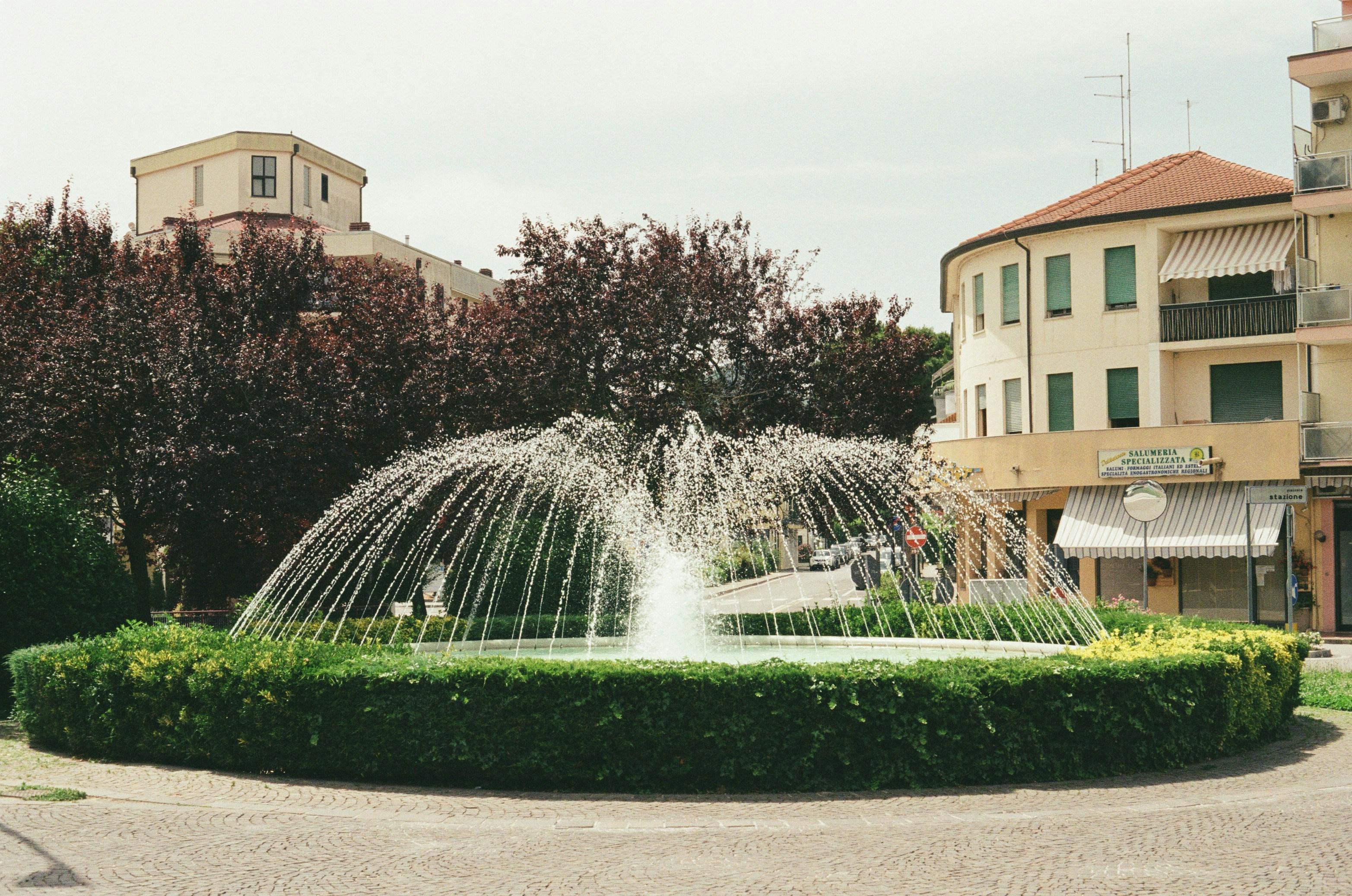
The city's historical center was once encircled by medieval and Renaissance walls, portions of which still stand. Beyond these boundaries, neighborhoods developed during different eras of expansion, each reflecting the architectural and urban planning ideals of its time. The area around the train station, rebuilt after World War II bombing, shows the austere functionality of post-war reconstruction.
Parks and green spaces provide breathing room in the urban fabric. The former ramparts have been transformed into walking paths where locals jog, cycle, or simply stroll in the evening air. These green corridors connect different parts of the city, offering quiet alternatives to the busier commercial streets.
As evening descends, aperitivo hour transforms bars and cafés into social hubs. The tradition of accompanying pre-dinner drinks with generous spreads of snacks has been elevated almost to an art form. Students, professors, professionals, and retirees gather over Aperol spritzes and prosecco, the boundaries between social classes pleasantly blurred in these democratic moments of refreshment.
The interplay between past and present, between scholarship and daily life, creates an atmosphere that feels both timeless and vital. University terms bring waves of fresh energy as students from across Italy and beyond arrive to begin their studies. Their presence ensures that the city never becomes a museum piece, that its traditions remain living practices rather than preserved customs.
Those seeking a deeper understanding of northern Italy's character would do well to spend time wandering these porticoed streets, sitting in ancient squares, and absorbing the particular quality of light that filters through the colonnades. The experience might be complemented by exploring other remarkable destinations in the region, perhaps continuing north to Verona where another kind of Italian magic awaits discovery.


 Home
Home Wishlist