
San Bartolomé de Tirajana: Where Desert Meets Ocean
A Landscape Forged by Fire
The terrain around this southern municipality was sculpted by volcanic activity millions of years ago. Ancient calderas and dramatic rock formations stand as testament to the island's fiery birth. The Roque Nublo, visible from many vantage points throughout the area, towers over the landscape at 1,813 meters – a natural monument that has been declared sacred by various cultures throughout history.
Deep barrancos cut through the earth like scars, their steep walls revealing layers of geological time. During rare periods of rainfall, these dry ravines transform into rushing torrents, reminding visitors that even in this sun-soaked corner of Spain, nature maintains its unpredictable character. The contrast between these harsh inland areas and the gentler coastal zones creates microclimates that have been exploited by farmers for generations.
Things to do in San-Bartolome-de-Tirajana
Ancient Roots and Modern Tourism
Before Spanish conquest in the late 15th century, the indigenous Guanche people inhabited these volcanic slopes. Their legacy can still be traced in cave dwellings carved into cliff faces and in place names that predate European arrival. Archaeological sites scattered throughout the municipality reveal a sophisticated culture adapted to the challenging environment.
The colonial period brought sugar cane cultivation, followed by the introduction of tomato farming in the 19th century. Terraced fields were painstakingly constructed on impossibly steep hillsides, demonstrating the ingenuity required to coax crops from this dramatic landscape. Many of these agricultural traditions have been maintained by local families, though tourism has now become the dominant economic force.
The Coastal Transformation
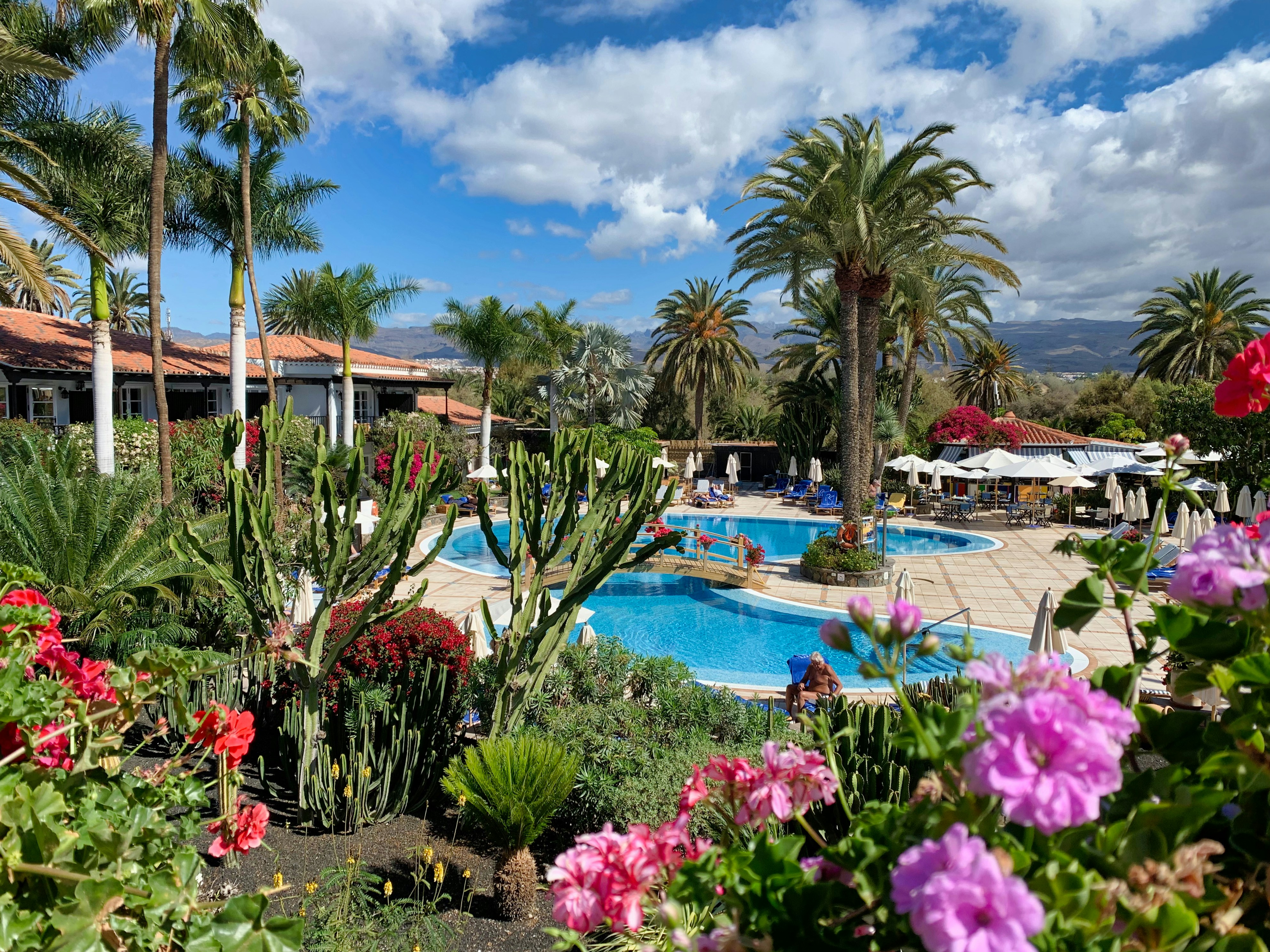
The southern coastline underwent a dramatic transformation beginning in the 1960s. What had been a sparsely populated stretch of desert meeting ocean was reimagined as a tourist destination. Playa del Inglés and Maspalomas developed into major resort areas, their hotels and apartment complexes rising along previously empty beaches.
The famous Maspalomas Dunes remain the jewel in this coastal crown. These shifting golden sands, formed by pulverized shells and coral swept inland by ocean winds, create a miniature Sahara that somehow survives despite surrounding development. Protected as a nature reserve, the dunes stretch for several kilometers, their wind-sculpted forms constantly reshaped by Atlantic breezes.
Behind the dunes, a saltwater lagoon attracts migratory birds traveling between Europe and Africa. Flamingos, herons, and numerous other species use this wetland as a crucial stopover point. The juxtaposition of this natural ecosystem with nearby tourist developments creates an unusual ecological situation that has been carefully managed by conservation authorities.
Mountain Villages and Traditional Life
Away from the coast, life follows older rhythms. Villages like Fataga cling to mountainsides, their whitewashed houses connected by narrow stone paths unsuitable for vehicles. Here, daily life has been less affected by the tourism boom that transformed the lowlands. Local bars serve traditional Canarian food, and elderly residents still speak with distinctive island accents that differ markedly from mainland Spanish.
The central valleys remain agricultural heartlands where almonds, figs, and olives grow in carefully tended groves. Traditional water management systems, some dating back centuries, distribute precious rainfall through complex networks of channels and reservoirs. This engineering heritage demonstrates how previous generations adapted to an environment where water scarcity posed constant challenges.
Outdoor Adventures
The varied topography attracts outdoor enthusiasts seeking alternatives to beach-based holidays. Hiking trails wind through pine forests at higher elevations, offering cooler temperatures and panoramic views extending to neighboring islands on clear days. Mountain biking routes challenge riders with steep ascents and technical descents through volcanic terrain.
Rock climbing has grown increasingly popular, with routes graded for all skill levels carved into ancient lava flows. The stable year-round climate allows climbing throughout all seasons, unlike many European destinations where weather restricts access. Guided tours introduce beginners to the sport while experienced climbers tackle challenging multi-pitch routes on towering rock faces.
Culinary Traditions
Local cuisine reflects both the island's agricultural heritage and its coastal location. Papas arrugadas – small potatoes boiled in heavily salted water until their skins wrinkle – appear on virtually every menu, traditionally served with mojo sauces that vary from mildly spicy red versions to herb-rich green varieties. The simplicity of this dish belies its perfect adaptation to local ingredients and tastes.
Fresh fish caught daily from Atlantic waters forms the basis of many meals. Vieja, a colorful parrotfish, gets grilled whole and served with minimal seasoning, allowing the natural flavors to dominate. Restaurants ranging from simple beachside chiringuitos to upscale dining establishments showcase the versatility of local seafood.
Sweet treats reveal historical connections to sugar cane cultivation. Bienmesabe, a dessert made from almonds, honey, and egg yolks, provides an intensely sweet conclusion to meals. Local bakeries produce traditional pastries using recipes passed down through generations, though many now cater to international tastes with adapted versions.
Climate and Natural Phenomena
The weather patterns that blanket this southern region have made it famous throughout Europe. Over 300 days of sunshine annually attract visitors seeking reliable warmth during northern European winters. Rainfall remains minimal, typically concentrated in brief winter periods, while summers bring consistently dry conditions.
Microclimates create surprising variations across short distances. Coastal areas bask in steady heat moderated by ocean breezes, while mountainous zones 30 kilometers inland experience significantly cooler temperatures and occasional frost during winter months. This diversity allows visitors to experience multiple climate zones within a single day's journey.
Preserving Balance
The challenge of maintaining authentic character while accommodating millions of annual visitors continues to generate debate. Recent years have seen increased focus on sustainable tourism practices and environmental protection. Efforts to limit further coastal development and preserve agricultural land reflect growing awareness that the region's appeal depends on protecting what makes it unique.
Local festivals and cultural events work to keep traditional practices alive. Religious processions, folk music performances, and craft markets provide connections to heritage that might otherwise be overshadowed by tourism's commercial demands. These celebrations offer both residents and visitors opportunities to experience cultural continuity in a rapidly changing environment.
The municipality stretches from sea level to some of Gran Canaria's highest peaks, encompassing extraordinary natural diversity within its boundaries. Whether someone seeks endless beach days, challenging mountain trails, or quiet village explorations, this southern corner of Spain provides surprising variety. The same volcanic forces that created this dramatic landscape continue to define its character, reminding everyone that beneath the resort developments and modern infrastructure lies an ancient, powerful geology that shapes everything built upon it. For those willing to venture beyond the coastal strip, rewards come in discovering how traditional island life persists alongside contemporary tourism, creating a destination that manages to satisfy multiple desires simultaneously – much like travelers heading to Regensburg find medieval charm coexisting with modern vitality.


 Home
Home Wishlist