
Sanremo: Where Belle Époque Glamour Meets Mediterranean Soul
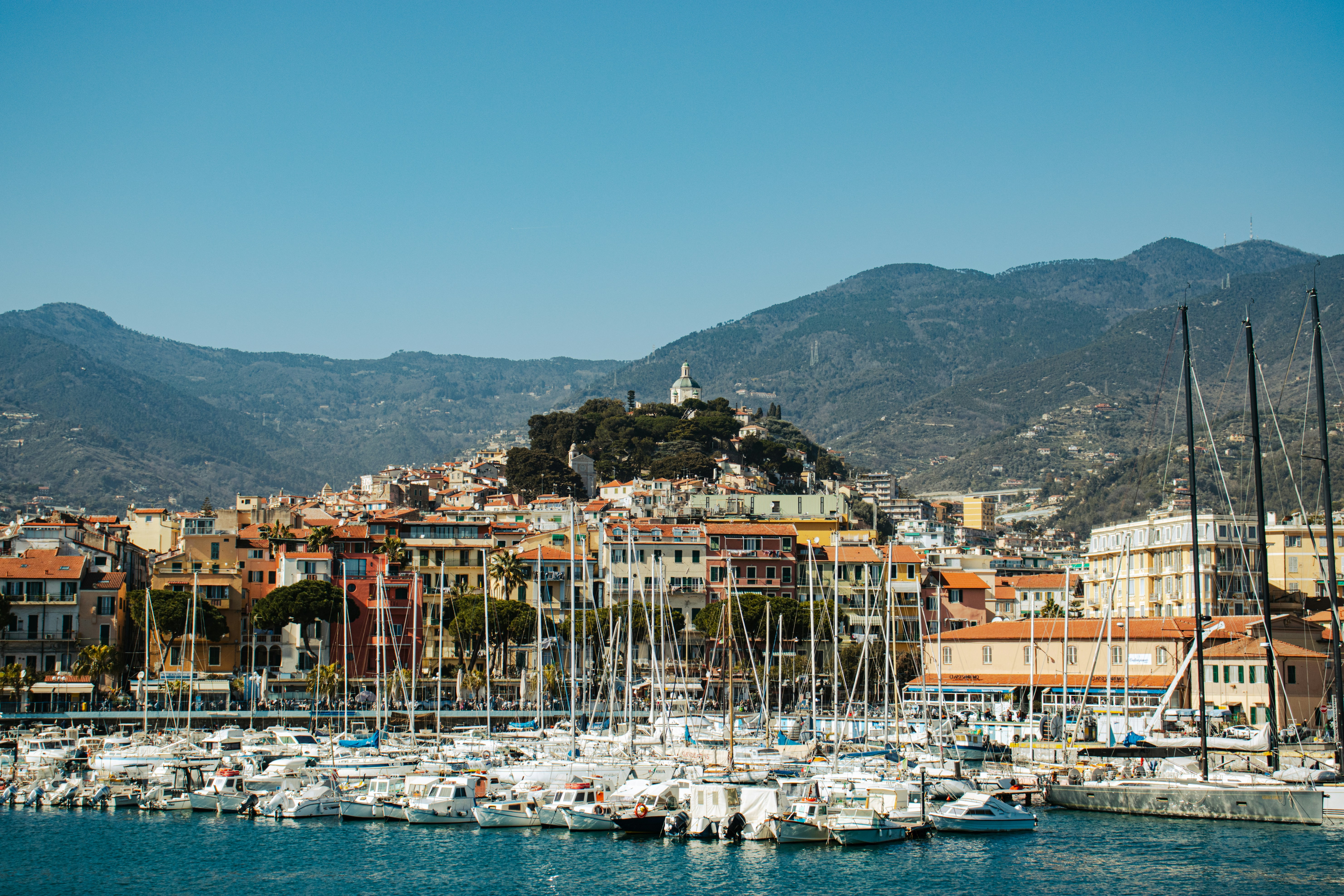
The Stage of Italian Song
Every February, the world's attention gets drawn to the Ariston Theatre, where the Festival della Canzone Italiana has been held since 1951. This legendary music competition has launched countless careers and given birth to songs that became part of Italy's cultural DNA. The festival's influence extends far beyond the concert hall – it transformed this Riviera town into a symbol of Italian popular culture, a place where tradition and modernity engage in an annual dialogue broadcast to millions.
The theatre itself, with its classic mid-century architecture, stands as a monument to Italy's post-war cultural renaissance. During festival week, the surrounding streets buzz with energy as journalists, musicians, and fans from across Europe converge on this compact urban center. Yet even without the glitter and fanfare, the building remains a pilgrimage site for music lovers who come to photograph its distinctive facade and imagine the legends who once graced its stage.
Things to do in San-Remo
Imperial Gardens and Exotic Flora
The Villa Ormond and its surrounding gardens offer a different kind of spectacle. These grounds were laid out in the late 19th century when wealthy European aristocrats discovered this stretch of coastline. Exotic plants from around the world were collected and cultivated here – Japanese maples, South American palms, Australian eucalyptus trees. The mild microclimate, protected by mountains from harsh northern winds, allowed species that would never survive elsewhere in Italy to flourish.
Today, these gardens can be explored freely by visitors who wander shaded paths beneath towering palms and flowering magnolias. The villa itself, with its elegant neo-classical lines, hosts cultural exhibitions and concerts. From the upper terraces, panoramic views stretch across the city's terracotta rooftops toward the shimmering sea, offering a perspective that makes clear why so many artists and writers were drawn to this corner of Liguria.
The Russian Connection
An unexpected landmark rises above the waterfront promenade – the Cristo Salvatore, an Orthodox church crowned with distinctive onion domes. This architectural gem was commissioned by Russian nobility who wintered here during the Belle Époque, when the town had been established as one of Europe's most fashionable resort destinations. The church's interior glows with icons and frescoes executed by Russian masters, creating a space that feels transported from St. Petersburg.
The Russian presence left an indelible mark on local culture. Street names recall imperial visitors, and the grand hotels that once accommodated them still line the seafront. Though the revolution ended the aristocratic sojourns, the church remains active, serving Orthodox faithful and standing as a reminder of the cosmopolitan atmosphere that once defined Riviera life.
Markets and Maritime Traditions
In the morning hours, the covered market near the old port comes alive with vendors selling the day's catch alongside regional produce. Anchovies, a local specialty, get displayed in various preparations – salted, marinated, fried. The sharp scent of fresh fish mingles with the earthy aroma of porcini mushrooms and the sweetness of just-picked peaches. Conversations get conducted in a mixture of Italian and Ligurian dialect, the rapid-fire exchanges punctuated by laughter and friendly arguments over prices.
This maritime heritage extends to the kitchen, where traditional recipes have been passed down through generations. Sardenaira, the local answer to pizza, gets topped with tomatoes, onions, and anchovies. Fresh pasta gets tossed with pesto made from Ligurian basil, pine nuts, and aged Parmigiano. These dishes, simple yet perfectly balanced, reflect the Mediterranean principle that the finest meals get built from quality ingredients treated with respect rather than masked with complexity.
Cycling and Casino Nights
Each spring, professional cyclists thunder along the coastal road during Milano-Sanremo, one of cycling's most prestigious one-day races. The route, which stretches nearly 300 kilometers from Lombardy to the Ligurian coast, reaches its climax on Via Roma, where thousands of fans gather to witness the sprint finish. This sporting tradition, dating back to 1907, has woven itself into local identity, and vintage photographs of mustachioed champions in wool jerseys line the walls of many cafes.
When evening descends, a different kind of excitement can be found at the Casino Municipale, housed in an Art Nouveau palace that seems plucked from a different era. Chandeliers cast warm light over gaming tables where fortunes get won and lost with the turn of a card. Even those uninterested in gambling come to admire the building's architectural details – the intricate ironwork, the frescoed ceilings, the marble columns that speak of an age when such establishments were temples of elegance rather than mere entertainment venues.
Sunset Walks and Hidden Churches
The Corso Imperatrice, a palm-lined promenade named for a Russian empress, provides the classic Riviera experience. As afternoon fades toward evening, locals and visitors alike take their passeggiata along this elegant avenue. The sea catches the declining sun, turning copper and gold, while the mountains behind the town take on purple shadows. Couples pause on benches, gelato gets savored slowly, and the pace of life downshifts to match the rhythm of the waves.
Away from the waterfront, the medieval old town reveals itself in narrow lanes and steep staircases. The Santuario della Madonna della Costa, perched on a hill above the city, rewards the climb with sweeping vistas and a peaceful interior adorned with sailors' ex-votos. These offerings – paintings of ships in peril, models of vessels, plaques of thanksgiving – document centuries of maritime life and the deep connection between this community and the sea that sustains it.
Villa Nobel and Scientific Legacy
In his final years, Alfred Nobel made his winter residence in a Moorish-style villa overlooking the coast. The Swedish inventor and industrialist found solace here, writing poetry and contemplating the legacy he would leave through his famous prizes. Today, the villa functions as a museum where his personal effects and scientific instruments can be examined. The building itself, with its distinctive arches and tower, represents the eclectic architectural tastes that flourished during the late 1800s.
The connection to Nobel adds another layer to this town's multifaceted identity. It stands as a place where art, science, commerce, and leisure have historically intersected. This diversity of influences – Russian aristocrats, Swedish inventors, Italian musicians, French neighbors just across the border – created a cultural richness that persists in the contemporary city.
As the evening deepens and restaurant tables fill with diners along the waterfront, the timeless appeal of this Riviera gem becomes apparent. The combination of natural beauty, architectural heritage, and living traditions creates an atmosphere that has captivated visitors for more than a century. Whether one's interests lie in music, history, cuisine, or simply soaking in the Mediterranean sun, this border town between mountain and sea continues to offer its particular brand of coastal magic. For those seeking to explore more of Italy's treasures, the elegant architecture and refined atmosphere of Turin make for a compelling journey into Piedmontese culture.


 Home
Home Wishlist