
Stratford-upon-Avon: Where the Bard's Legacy Lives On
The Birthplace of Genius
On Henley Street, behind a modest Tudor facade, the story began. The half-timbered building where William Shakespeare first drew breath in 1564 has been transformed into one of England's most visited literary shrines. Inside, low-ceilinged rooms have been furnished to reflect the comfortable middle-class existence enjoyed by the Shakespeare family. John Shakespeare's glove-making workshop can be imagined in the northern wing, where the scent of leather once mingled with the chatter of craftsmen and customers.
Through these very rooms, young William would have wandered, his mind already beginning to form the characters and plots that would later captivate audiences across the globe. The house hasn't been frozen in time so much as it has been carefully tended, each generation of custodians adding their own layer of reverence to what came before.
Things to do in Stratford-upon-Avon
A Stage for All Seasons
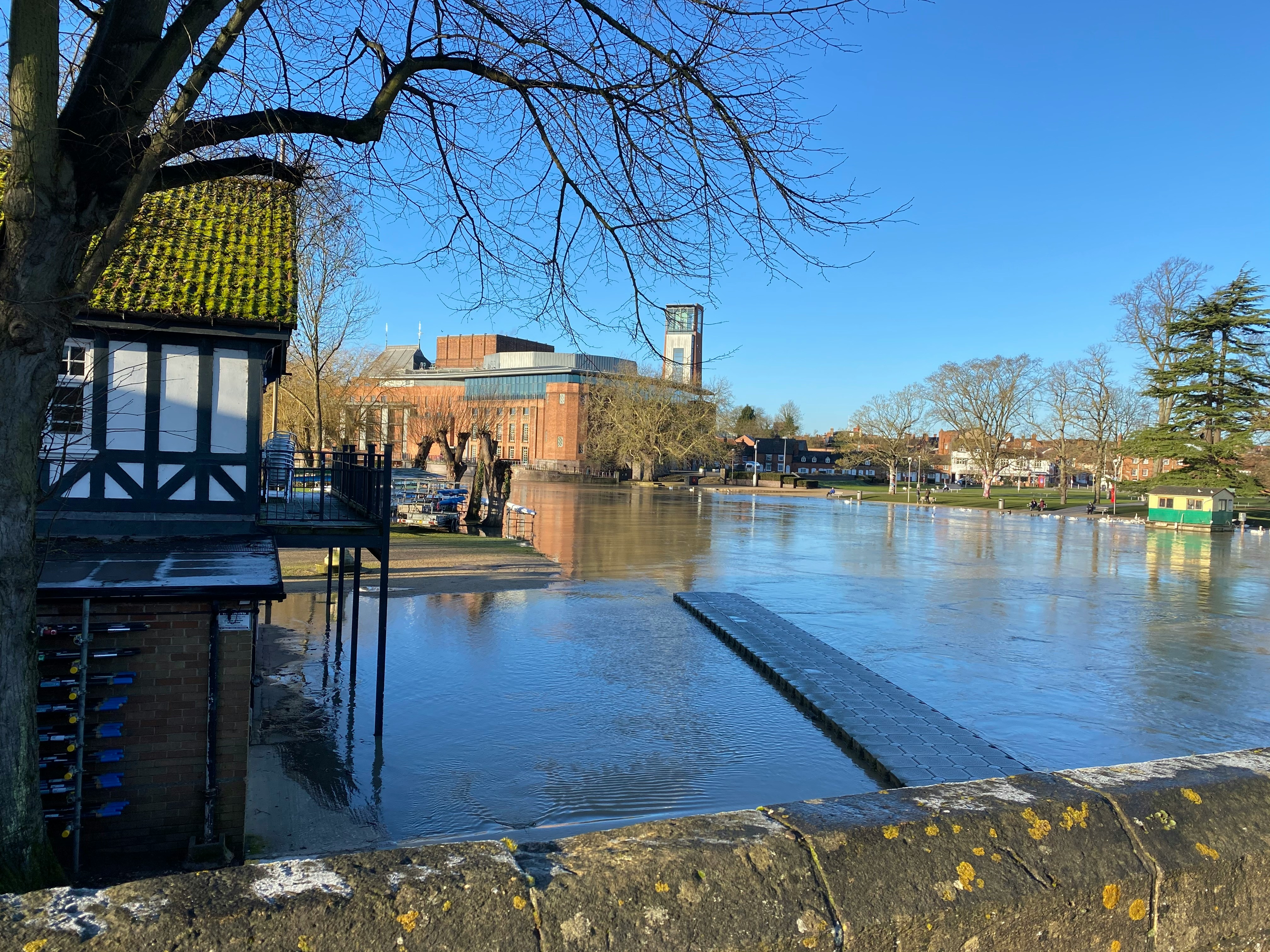
Along the banks of the Avon, the Royal Shakespeare Theatre stands as a testament to the enduring power of the Bard's work. Since the original Shakespeare Memorial Theatre was opened in 1879, performances have been given that bring life to words written over four centuries ago. The current building, completed in 1932 and extensively renovated in 2010, combines Art Deco grandeur with modern theatrical innovation.
Behind the scenes, elaborate costumes get stitched, sets get constructed, and actors rehearse their lines with the weight of centuries of interpretation upon their shoulders. When the lights dim and the curtain rises, magic gets created anew each night. Whether tragedy or comedy gets performed, audiences from around the world find themselves transported by language that somehow feels both ancient and immediate.
Love's Labour Found
A short walk from the town center, along a tree-lined path, Anne Hathaway's Cottage awaits discovery. The thatched farmhouse where Shakespeare's wife spent her childhood has been preserved with remarkable care. Its garden, planted with flowers and herbs mentioned in the plays, bursts with color and fragrance throughout the seasons. Inside, original furniture still occupies rooms where the Hathaway family lived for generations.
The courtship between William and Anne, eight years his senior, has been romanticized and scrutinized in equal measure by historians and storytellers. Yet standing in the cottage where they must have spent time together, speculation gives way to something more tangible – a sense of the domestic world that shaped the man who would later explore every facet of human emotion through his writing.
Education and Inspiration
Grammar schools of the Tudor period provided rigorous classical education to promising boys, and Shakespeare's attendance at King Edward VI School has been documented in the town records. The building where he studied Latin, rhetoric, and classical literature still stands on Church Street, though it now serves as the upper floor of the Guildhall. Pupils today attend different schools in the town, but the legacy of learning that began here centuries ago continues to be felt.
Through his education, exposure to Ovid, Virgil, and Seneca was gained – influences that would later surface in plays ranging from romantic comedies to blood-soaked tragedies. The foundations of his genius were laid not in London's theaters but in this modest classroom, where a quick-witted boy from a provincial market town first encountered the power of words to move hearts and minds.
The Final Act
At Holy Trinity Church, beside the Avon, Shakespeare's mortal remains were laid to rest in 1616. The church, with its graceful spire reflected in the river's surface, has been a place of worship since the 13th century. Inside, his grave lies before the altar, marked by a stone that bears a curious curse upon anyone who dares disturb his bones. Above it, a memorial bust created just seven years after his death offers what may be the most accurate likeness of the playwright.
Visitors from every corner of the globe make pilgrimage to this spot, standing in reverent silence before the final resting place of the man who gave voice to kings and fools, lovers and murderers, the ambitious and the downtrodden. Fresh flowers get left regularly, testimonials to an affection that shows no sign of dimming with the passage of centuries.
Beyond the Bard
Yet the town has never been content to rest solely on Shakespearean laurels. Along the high street, independent shops occupy Tudor buildings, their wares ranging from antique books to contemporary crafts. The market that has been held here since medieval times continues every Friday, stalls laden with local produce and artisan goods. In riverside parks, families picnic on summer afternoons, and swans glide past tour boats filled with camera-wielding tourists.
The Butterfly Farm, housed in a tropical greenhouse, provides an unexpected splash of exotic color, while the MAD Museum celebrates mechanical art and design with whimsical kinetic sculptures. Traditional pubs serve locally brewed ales alongside modern gastropub fare, and hotels range from coaching inns that have welcomed travelers for centuries to contemporary boutique establishments.
A Living Heritage
What makes this market town extraordinary hasn't been the preservation of buildings alone, impressive though that achievement may be. Rather, vitality has been maintained through a delicate balance between honoring the past and embracing the present. Theatre companies continue to find new interpretations of classic texts. Schools bring students to explore the places where genius flourished. Families create memories along the same riverbanks where Shakespeare himself once walked.
The timber-framed houses haven't been turned into mere museum pieces but remain homes and businesses, their ancient beams supporting modern lives. The river still flows as it always has, indifferent to the fame that has come to these banks. Markets still fill the streets with color and conversation. Life, in all its messy, glorious complexity, continues much as it did when a glover's son first put pen to paper and changed the world forever.
As evening falls and lights begin to glow in mullioned windows, the town takes on an almost magical quality. Shadows lengthen across cobbled streets, and the river reflects the last golden rays of sunset. Somewhere, a performance gets underway at the theatre, actors breathing life into words that have been spoken countless times yet somehow never grow old. In this moment, past and present merge, and the true genius of the place becomes clear – not just in celebrating what was, but in showing how the greatest art transcends its time to speak eternally to the human heart.
Those seeking to explore more of England's historic treasures might consider visiting Bath, where Roman heritage blends with Georgian elegance in another captivating chapter of British history.


 Home
Home Wishlist