
Taormina: A Sicilian Jewel Suspended Between Sea and Sky
The Stage Set by History
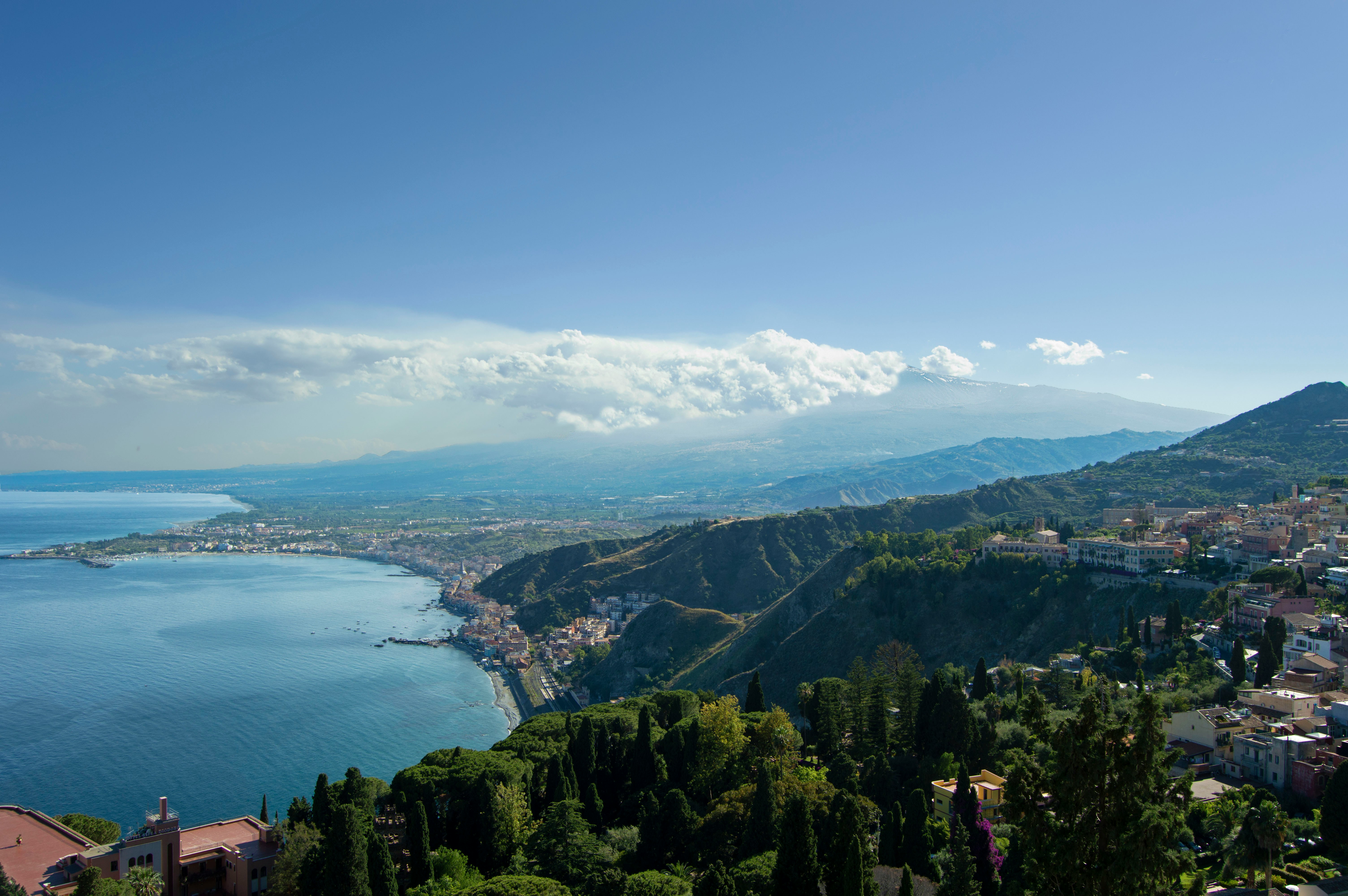
The Teatro Antico gets approached through winding streets, its presence revealed gradually, dramatically. Built by the Greeks in the third century BC and later expanded by the Romans, this amphitheater wasn't simply constructed—it was carved into the hillside with deliberate precision. The arrangement of stone seats gets oriented toward Mount Etna, Europe's most active volcano, its snow-capped peak rising majestically in the distance.
The theater gets visited today by thousands who walk the same stones once trod by ancient spectators. Performances were staged here two thousand years ago, dramas and comedies echoing against the hillside. Now, summer concerts and film screenings bring new life to these old walls, though the greatest performance remains the one nature provides daily—sunrise over the volcano, sunset over the sea.
Standing in the upper tiers, the full panorama gets revealed. The coastline curves gracefully below, beaches and rocky outcrops alternating in a rhythm established over geological ages. Fishing boats dot the water like scattered brushstrokes. The view alone justifies the journey, yet it represents merely the opening act.
Things to do in Taormina
Medieval Passages and Timeless Corners
From the theater, attention gets drawn to Corso Umberto, the main artery threading through the old town. This pedestrian street connects Porta Messina at one end to Porta Catania at the other, both gates dating back to medieval fortifications. Along this route, centuries of architectural layers get displayed—Norman arches, Renaissance windows, Baroque flourishes.
The Piazza IX Aprile serves as the town's living room, where locals and visitors alike gather at outdoor cafes. The terrace here offers yet another stunning vista, the kind that gets photographed endlessly yet never quite captured. Far below, the railway line snakes along the coast, while above, the sky shifts through a palette of Mediterranean blues.
Side alleys beckon constantly, each promising discovery. Staircases ascend and descend unexpectedly. Hidden courtyards reveal themselves through open doorways. Flower-draped balconies overhang narrow passages where laundry flutters in the sea breeze. The town feels lived-in, authentic, despite the tourist presence. Genuine Sicilian life gets carried on in these spaces—conversations shouted between windows, children playing in pocket-sized squares, elderly residents watching the world pass from their doorsteps.
Divine Heights and Spiritual Spaces
The Cathedral of San Nicolò stands in a small piazza, its fortress-like facade speaking to centuries when churches doubled as defensive structures. Built in the thirteenth century, the building gets characterized by restrained Norman architecture, though later additions added decorative touches. Inside, coolness and silence provide respite from the sun-drenched streets. Light filters through stained glass, illuminating worn stone floors polished by countless footsteps.
Higher still, though requiring effort to reach, the Madonna della Rocca sanctuary clings to the mountainside. The chapel itself gets dwarfed by the views it commands—the entire coastline spread out like a map, the town miniaturized below. The sanctuary was carved partially from living rock, its simple interior a testament to devotion expressed through labor rather than luxury. Pilgrims have climbed this path for centuries, their prayers offered in this precarious spot between earth and heaven.
Gardens of Earthly Delight
The Villa Comunale provides a different kind of sanctuary. These public gardens were created in the late nineteenth century by Lady Florence Trevelyan, an English noblewoman who made Sicily her home. Exotic plants from around the Mediterranean get cultivated here—palms, succulents, flowering shrubs releasing heady perfumes into the warm air.
Whimsical Victorian follies dot the garden paths, small structures called "beehives" that served as bird-watching stations. Benches positioned strategically allow contemplation of the sea views. The gardens feel like a love letter written in botanical form, each plant chosen and placed with care. Today, they're enjoyed by romantics seeking quiet corners, families escaping the midday heat, and anyone desiring a moment of tranquility.
Coastal Treasures and Azure Waters
Below the town, Isola Bella gets connected to the mainland by a narrow sandbar that appears and disappears with the tides. This tiny island nature reserve protects unique flora and fauna, its pebble beaches backed by crystalline waters. The name, meaning "Beautiful Island," understates the reality. Swimming here feels like entering a living aquarium, colorful fish visible in the clear depths.
Other beaches get scattered along the coast, reached by cable car or winding roads. Mazzarò, Spisone, Giardini Naxos—each offers its own character, from organized lidos with umbrellas arranged in neat rows to wilder stretches where rocks meet water in dramatic fashion. The Mediterranean here shows all its moods: glassy calm mornings, afternoon breezes creating gentle waves, occasional storms that demonstrate nature's power.
A Feast for All Senses
Sicilian cuisine gets celebrated with particular passion here. Arancini, those golden rice balls filled with ragù or cheese, get fried to crispy perfection. Fresh pasta dressed with sardines, wild fennel, and pine nuts showcases the island's Arab influences. Swordfish gets grilled simply, its flavor needing no embellishment beyond lemon and olive oil.
Cannoli get filled to order, the ricotta sweetened just enough, studded with chocolate chips or candied fruit. Granite—that quintessentially Sicilian shaved ice dessert—gets served in flavors from classic lemon to almond to mulberry. Paired with a brioche for breakfast, it becomes a morning ritual. The granite slowly melts on the tongue while views of the sea shimmer in the morning light, and time seems to slow to a more civilized pace.
Wine from Etna's volcanic slopes accompanies every meal. The mineral-rich soil imparts distinctive character—whites with crisp acidity, reds with elegant structure. These wines get poured generously, conversation flowing as freely as the bottles get emptied.
Where Time Gets Measured Differently
Evening brings transformation. As the day-trippers depart and cruise ship passengers return to their floating hotels, a different rhythm gets established. Restaurant tables fill with diners settling in for long, leisurely meals. The passeggiata begins—that traditional evening stroll where seeing and being seen matters as much as the walking itself.
Lights begin twinkling across the hillside. The sea darkens from turquoise to deep indigo. Mount Etna's silhouette gets outlined against the fading sky, sometimes with a red glow visible at its summit—a reminder that the volcano never truly sleeps. Stars emerge, more visible here than in larger cities, ancient constellations that guided sailors along these same shores millennia ago.
Late into the night, music drifts from bars and trattorias. Laughter echoes through the streets. The town reveals itself as more than a museum piece preserved for tourists—it lives, breathes, continues the story that began when Greeks first recognized this site's strategic and aesthetic perfection.
Departures get delayed by travelers reluctant to leave, already planning return visits before they've even descended the mountain. The spell this place casts gets woven from many threads—beauty, certainly, but also the tangible connection to centuries of human presence, the dramatic geography that makes every view a revelation, the simple pleasures of good food and warm hospitality. For those considering other Italian destinations, Verona offers its own unique charms, though this Sicilian jewel remains incomparable in its particular magic. The memory lingers long after departure, a golden afternoon light preserved in the mind, waiting to draw you back.


 Home
Home Wishlist