
Vigo: Where the Atlantic Meets Galician Soul
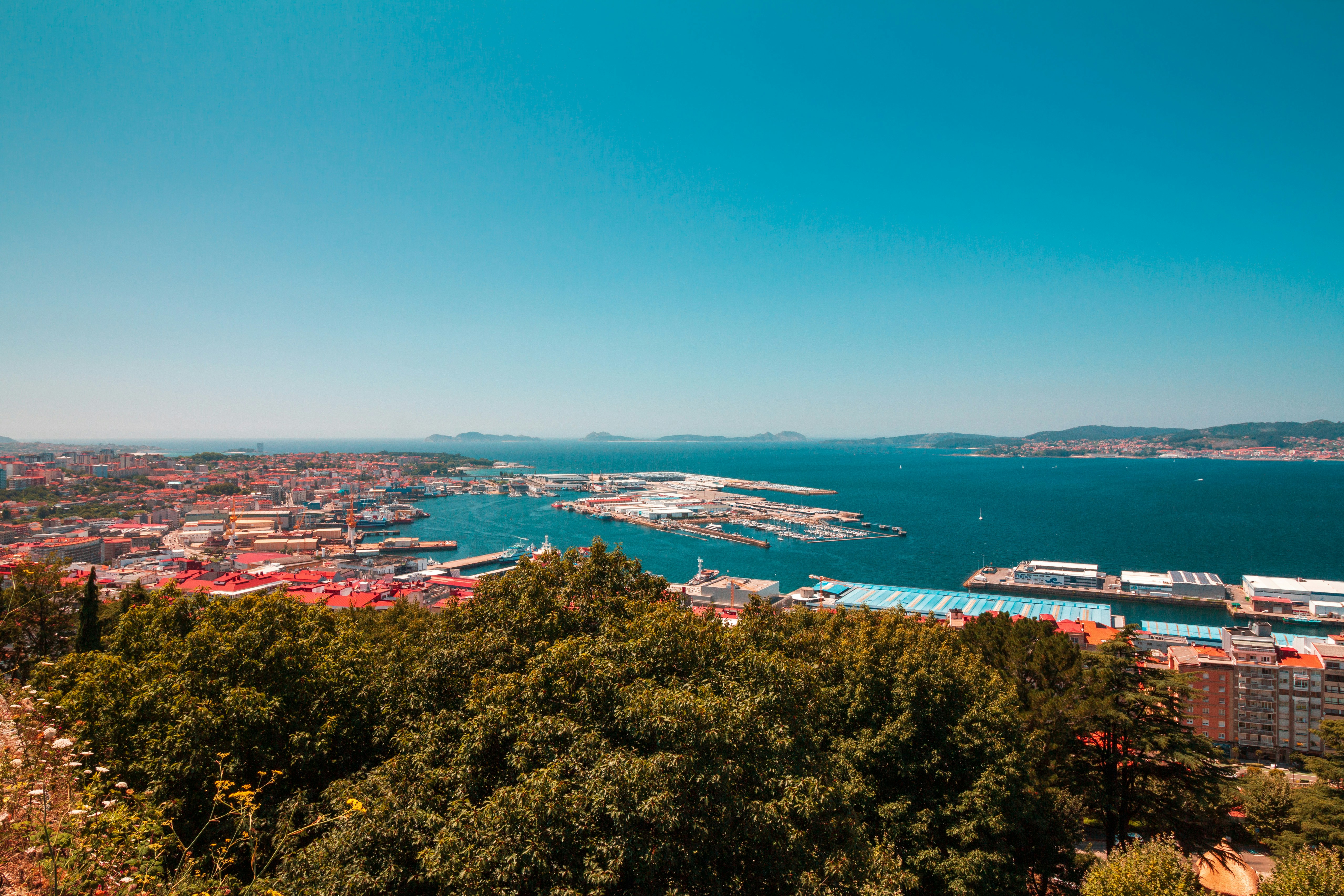
The Gateway to the Rías
At the southern edge of the Rías Baixas, the sprawling estuary system that defines Galicia's coastline, the largest city in this autonomous region has been shaped by its relationship with the sea. The Ría de Vigo, a deep inlet carved by ancient glacial movements and flooded by rising ocean waters, provides one of Europe's finest natural harbors. This geographical blessing has been exploited for millennia, from Roman fish-salting operations to today's bustling commercial port.
From the vantage point of Monte do Castro, the entire harbor can be surveyed in a single sweeping glance. Container ships and fishing vessels share the waters with pleasure craft, while the Cíes Islands—often called the "Galician Caribbean"—stand guard at the mouth of the estuary. These protected islands, accessible only by ferry during summer months, have been crowned with white sand beaches that rival any Mediterranean counterpart.
Things to do in Vigo
Maritime Heritage and Modern Commerce
The relationship between this Galician port and the ocean extends far beyond picturesque views. As one of the world's leading fishing ports, the daily rhythm here has been dictated by tides and catches for generations. The fish market at the port, a cavernous space filled with the shouts of auctioneers and the sharp scent of the sea, conducts business with an efficiency that would impress any corporate boardroom.
Fresh octopus, razor clams, and the prized percebes—goose barnacles harvested from wave-battered rocks at considerable personal risk—get auctioned before dawn. By the time most visitors have finished breakfast, these treasures have already been dispatched to restaurants across Spain and beyond. This maritime commerce has sustained families here for generations, creating a cultural identity deeply intertwined with the fishing calendar.
The Old Quarter's Quiet Dignity
Away from the industrial waterfront, the Casco Vello—the old quarter—climbs steep hills in a tangle of narrow streets and granite staircases. Unlike the grand plazas found in other Spanish cities, the historic heart here feels intimate, almost secretive. The Colegiata de Santa María, a neoclassical church dating from the early 19th century, presides over the neighborhood with understated elegance.
In these winding lanes, traditional restaurants called pulperías have been serving the same dish for decades: pulpo á feira, tender octopus seasoned with paprika, coarse salt, and olive oil. The preparation has been refined to an art form—the octopus must be beaten to tenderize it, then boiled in copper pots with precise timing. When served on wooden plates and accompanied by crusty bread and a glass of local Albariño wine, this simple dish becomes transcendent.
Oysters and Albariño
The nearby town of Arcade, just a short drive up the estuary, has built its reputation on a single delicacy: ostras. The oysters cultivated in these cold Atlantic waters possess a distinctive mineral quality, their flavor profile influenced by the granite riverbeds and ocean currents. At any of the casual eateries lining the waterfront, these bivalves get served by the dozen, shucked moments before being presented with nothing more than a squeeze of lemon.
The perfect pairing for these briny morsels has been grown on terraced vineyards throughout the Rías Baixas denomination. Albariño, a crisp white wine with notes of peach and citrus, has gained international recognition in recent decades. The combination of fresh seafood and this Atlantic wine creates a sensory experience that has been described by food writers as the essence of Galician gastronomy.
Industrial Evolution
The economic landscape here extends far beyond fishing. The automotive industry has established a significant presence, with major manufacturing plants employing thousands and contributing to a diversified economy. This industrial success has been balanced against efforts to preserve the natural environment and cultural heritage that make this region distinctive.
The PSA Peugeot Citroën plant, one of the largest employers in Galicia, represents the modern face of a city that has successfully transitioned from exclusive dependence on maritime industries. This economic evolution has been mirrored in the urban landscape, where contemporary architecture now stands alongside traditional Galician buildings with their characteristic enclosed glass balconies—galerías—designed to capture winter sunlight while providing shelter from Atlantic storms.
Castro Fortifications and Celtic Roots
Evidence of much older settlements can be discovered throughout the region. The castro culture, which flourished here before Roman conquest, left behind circular stone foundations on hilltops. Monte do Castro itself takes its name from one such ancient fortification. These pre-Roman communities, possibly Celtic in origin, chose defensive positions that offered commanding views of the surrounding territory.
Archaeological excavations have been conducted at several castro sites around the municipality, revealing details about daily life two millennia ago. The artifacts recovered—ceramics, tools, jewelry—get displayed at local museums, connecting contemporary residents to ancestors who fished these same waters and cultivated these same hills long before Spain existed as a political entity.
The Reconquista Legacy
During medieval times, this corner of Iberia got caught up in the broader struggle between Christian and Moorish kingdoms. Though Galicia faced less direct conflict than southern regions, the influence of the Reconquista has been felt in local architecture and place names. The fortress that once stood atop Monte do Castro served as a defensive position during various conflicts, though little remains beyond foundation stones and historical markers.
Religious pilgrimage has also marked the cultural landscape. The Camino de Santiago passes through nearby areas, and though not on the main route, the city has long served as a supply point for pilgrims heading to Santiago de Compostela. This connection to broader European Christian tradition has been maintained through centuries, even as the region has developed its own distinct cultural identity.
Contemporary Cultural Expression
Modern cultural life here pulses with energy that might surprise visitors expecting a sleepy fishing town. The MARCO museum, dedicated to contemporary art, has been housed in a striking building that challenges visitors to reconsider assumptions about provincial Spanish cities. Rotating exhibitions feature both established international artists and emerging Galician talent, creating dialogues between local and global artistic conversations.
Music festivals during summer months attract performers and audiences from across Europe. The tradition of Galician folk music, with its distinctive gaita bagpipes and haunting melodies that hint at Celtic connections, gets celebrated alongside rock, electronic, and jazz performances. This cultural vitality reflects a city confident in its identity yet open to external influences.
The Market Experience
No understanding of daily life here would be complete without experiencing the Mercado da Pedra, the stone market where vendors have been selling produce, cheese, and charcuterie for generations. The building itself, constructed from granite blocks, exemplifies the sturdy Galician architectural tradition. Inside, the sensory experience overwhelms—the sharp tang of Tetilla cheese, the earthy aroma of just-harvested vegetables, the visual abundance of products from land and sea.
Local shoppers arrive with specific vendors in mind, relationships built over years of weekly visits. Tourists might feel initially overwhelmed by the bustle and rapid-fire Galician dialect being spoken, but patient observation reveals the deep social function these markets serve beyond mere commerce. Information gets exchanged, gossip shared, advice offered on cooking techniques and recipe variations.
Natural Surroundings
The immediate environs offer outdoor enthusiasts considerable opportunities for exploration. Hiking trails wind through forests of pine and eucalyptus, while coastal paths provide dramatic views of cliffs meeting ocean. The Parque Nacional das Illas Atlánticas de Galicia, which includes the Cíes Islands, protects both terrestrial and marine ecosystems of exceptional biodiversity.
Bird watchers find particular satisfaction here, as migration routes bring species from across Europe and Africa. The sheltered waters of the estuary attract waterfowl, while rocky headlands host nesting seabirds. Even within the urban center, green spaces like Castrelos Park provide respite, with formal gardens and wooded areas where the city's sounds fade to background murmur.
The Atlantic character that defines this corner of Spain has been forged through geography, history, and the determined efforts of generations who have made their living from the sea. Unlike Mediterranean cousins to the south and east, the climate here demands resilience—winters bring rain and wind, summers remain temperate rather than scorching. This weather has shaped both landscape and temperament, creating a place where satisfaction comes not from superficial pleasures but from authentic experiences and genuine connections. For travelers seeking something beyond the well-trodden paths of Spanish tourism, the journey continues across diverse landscapes—even as far as Hamburg offers its own maritime traditions in a different cultural context.


 Home
Home Wishlist