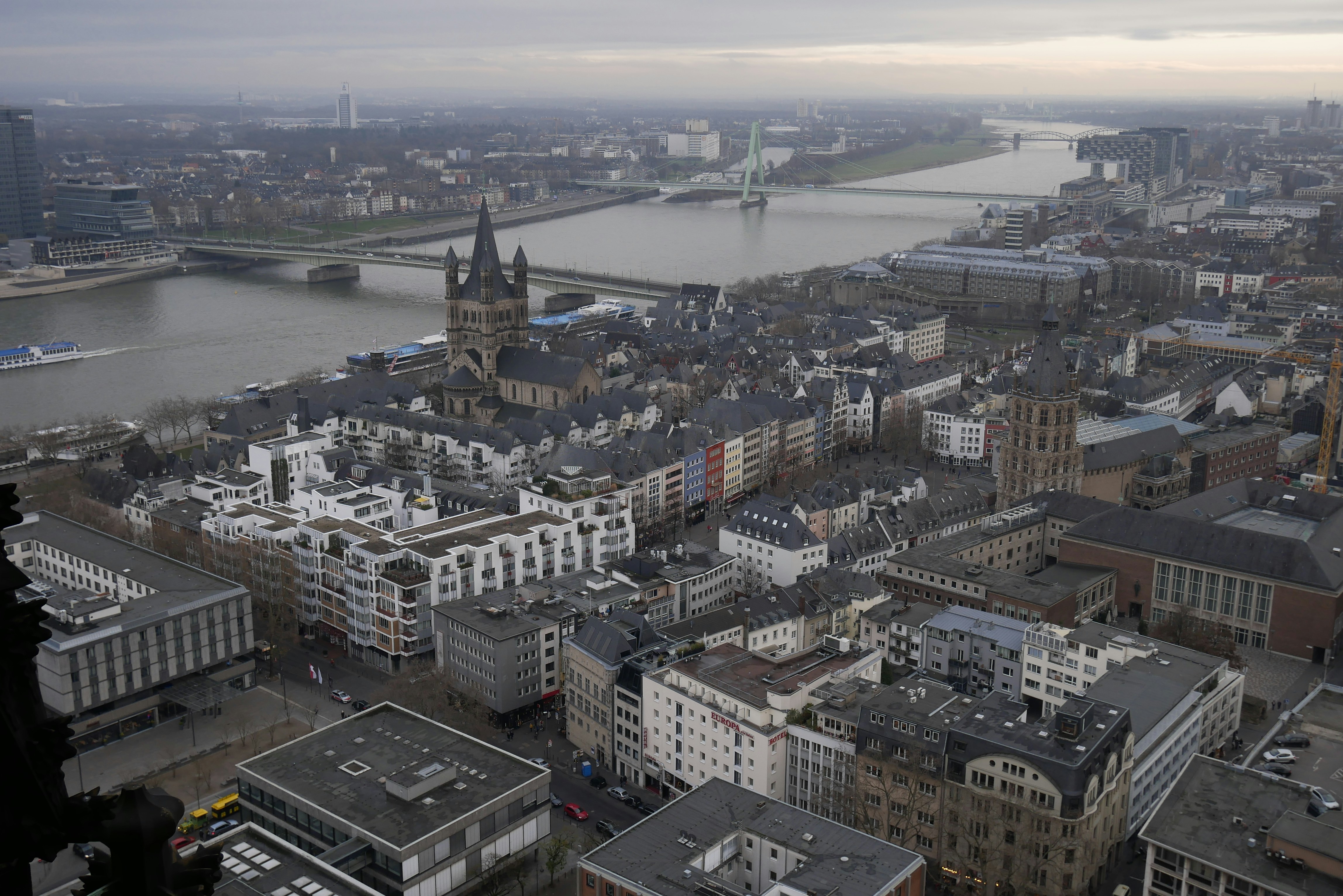
Cathedral spires pierce the sky above the Rhine, their silhouettes reflected in the river's gentle current. Cobblestones tell stories of Roman legions, medieval merchants, and wartime resilience. The scent of freshly poured Kölsch beer mingles with the aroma of bakeries crafting traditional treats. Here, along Germany's western waterways, a city stands as a testament to survival, celebration, and the art of living well.
Köln - GERMANY
The Rhine River flows steadily through North Rhine-Westphalia, carving a path through landscapes that have witnessed commerce, creativity, and transformation for centuries. Along its banks, a city has grown into one of Germany's most compelling urban centers – a place where business prowess and artistic expression exist in unexpected harmony. This fusion of practical enterprise and cultural refinement has been cultivated over generations, creating an atmosphere unlike any other in the region.
Düsseldorf - GERMANY
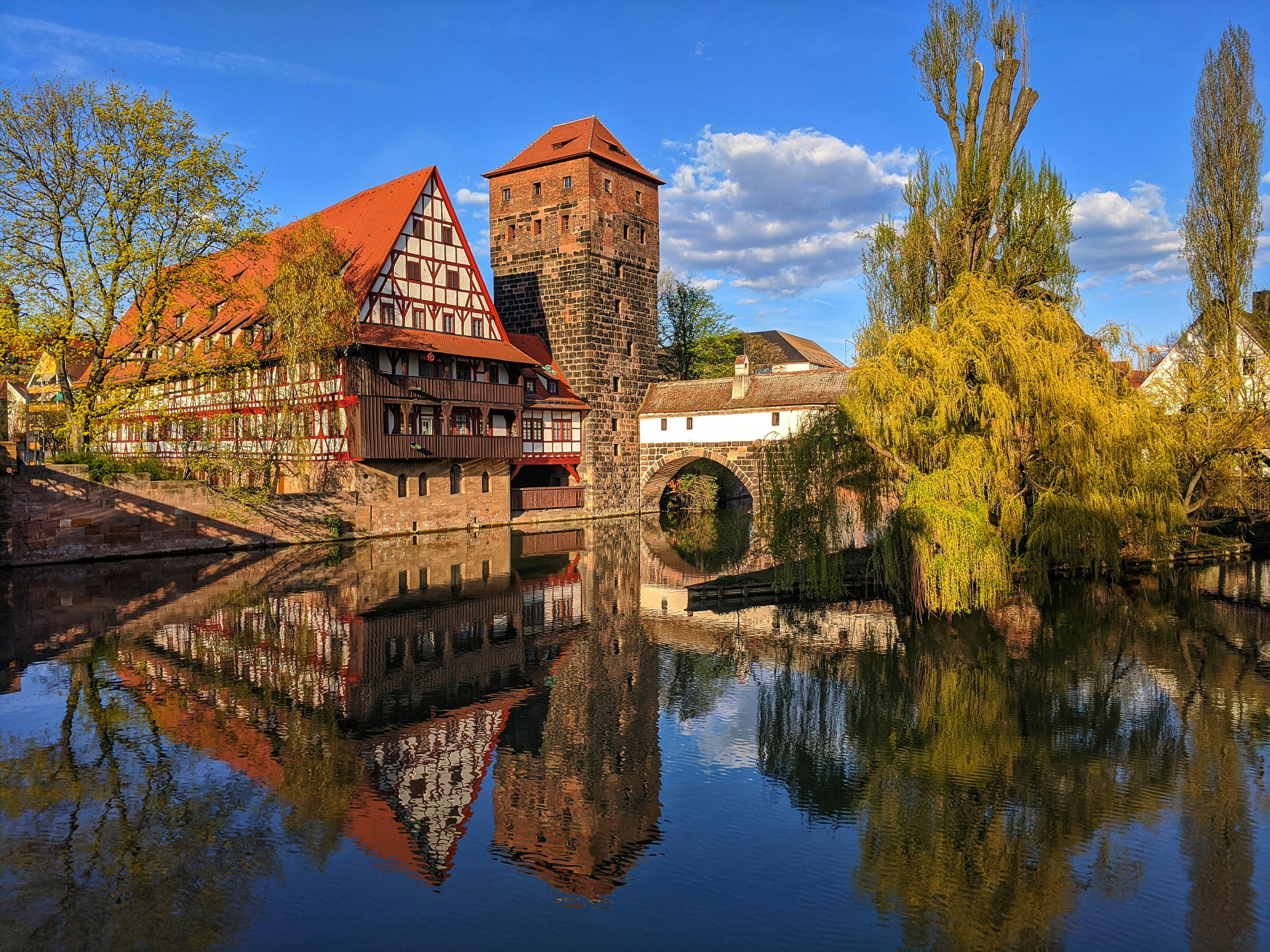
In certain corners of Europe, the weight of history can be felt in every cobblestone, every fortified wall, every Gothic spire reaching toward the heavens. Cities exist where the past hasn't merely been preserved but has been woven into the fabric of daily life, creating places where centuries collapse into moments. Here, medieval grandeur stands alongside contemporary creativity, and the echoes of both triumph and tragedy shape a community determined to honor its complex heritage while building something new.
Nürnberg - GERMANY
Some cities exist in a realm between reality and fantasy, where cobblestone streets whisper tales of medieval merchants and bronze statues come alive in the collective imagination. In northern Germany, along the banks of the Weser River, such a place can be found – one where Hanseatic grandeur meets Brothers Grimm enchantment, where maritime traditions blend with modern innovation.
Bremen - GERMANY
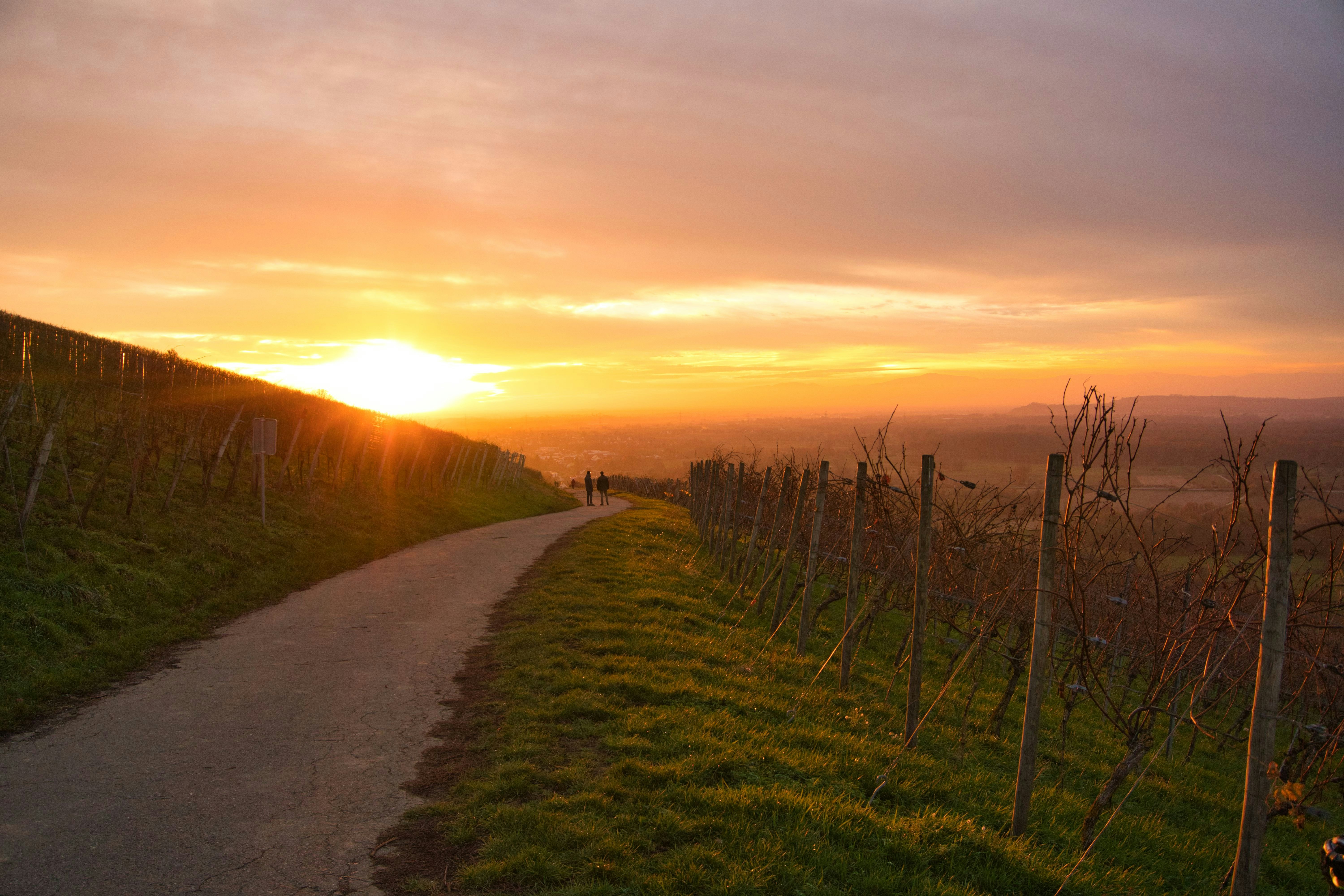
At the edge of the Black Forest, where mountain peaks meet vineyard-covered hills, a city of remarkable character has been shaped by centuries of resilience and innovation. Cobblestone streets carry the echoes of medieval merchants, while modern trams glide silently past timber-framed houses. The gentle sound of water flowing through narrow channels mingles with the chatter of students in outdoor cafés, creating a symphony that speaks of tradition meeting progress. This southwestern German gem has long been recognized for something beyond its architectural beauty – a commitment to sustainable living that began decades before such concerns became mainstream.
Freiburg - GERMANY
In certain corners of Germany, university towns hum with a particular energy – one fueled by youth, intellect, and an unmistakable sense of community. Among cobblestone streets and baroque facades, life moves at a gentler pace, measured not by the rush of traffic but by the steady rhythm of bicycle wheels against stone. Here, traditions get honored while progress gets welcomed, and the wounds of history have been transformed into lessons for tomorrow.
Munster - GERMANY
Ancient Roman fortifications stand alongside contemporary glass facades. Cathedral bells toll over wine taverns where conversations flow as freely as the local Riesling. University students hurry past half-timbered houses that have weathered centuries of storms. In certain German cities, layers of history get stacked like pages in a manuscript, each era leaving its distinct mark on the urban landscape. The Rhine's western bank holds such a place, where two thousand years of human ambition have been written in stone, parchment, and now digital code.
Mainz - GERMANY
Where two of Europe's mightiest rivers converge, a different kind of magic gets created. The confluence of water and stone, of ancient fortifications and modern vitality, of centuries-old wine traditions and contemporary culture – such meetings have shaped remarkable places throughout history. At one such junction, where the Rhine and Moselle rivers have been engaged in their eternal dance for millennia, a city has grown that embodies the very essence of German river culture.
Koblenz - GERMANY
Along the banks of the Danube, where Baden-Württemberg meets Bavaria, a city of remarkable contrasts has been shaped by centuries of commerce, faith, and human ambition. Medieval towers stand alongside modern glass facades, while ancient traditions get celebrated in spaces designed for tomorrow. Here, the river flows quietly past, indifferent to the passage of time, yet the city it supports has never stopped reaching upward.
Ulm - GERMANY
Ancient stones stand silent yet eloquent throughout Germany's oldest city. Walls that once echoed with Latin commands now frame bustling cafes and boutiques. A place where history isn't merely preserved behind museum glass but woven into daily life – this quality defines what makes certain German destinations exceptional. Here, two millennia can be traced through architecture, culture, and the very rhythm of urban existence.
Trier - GERMANY
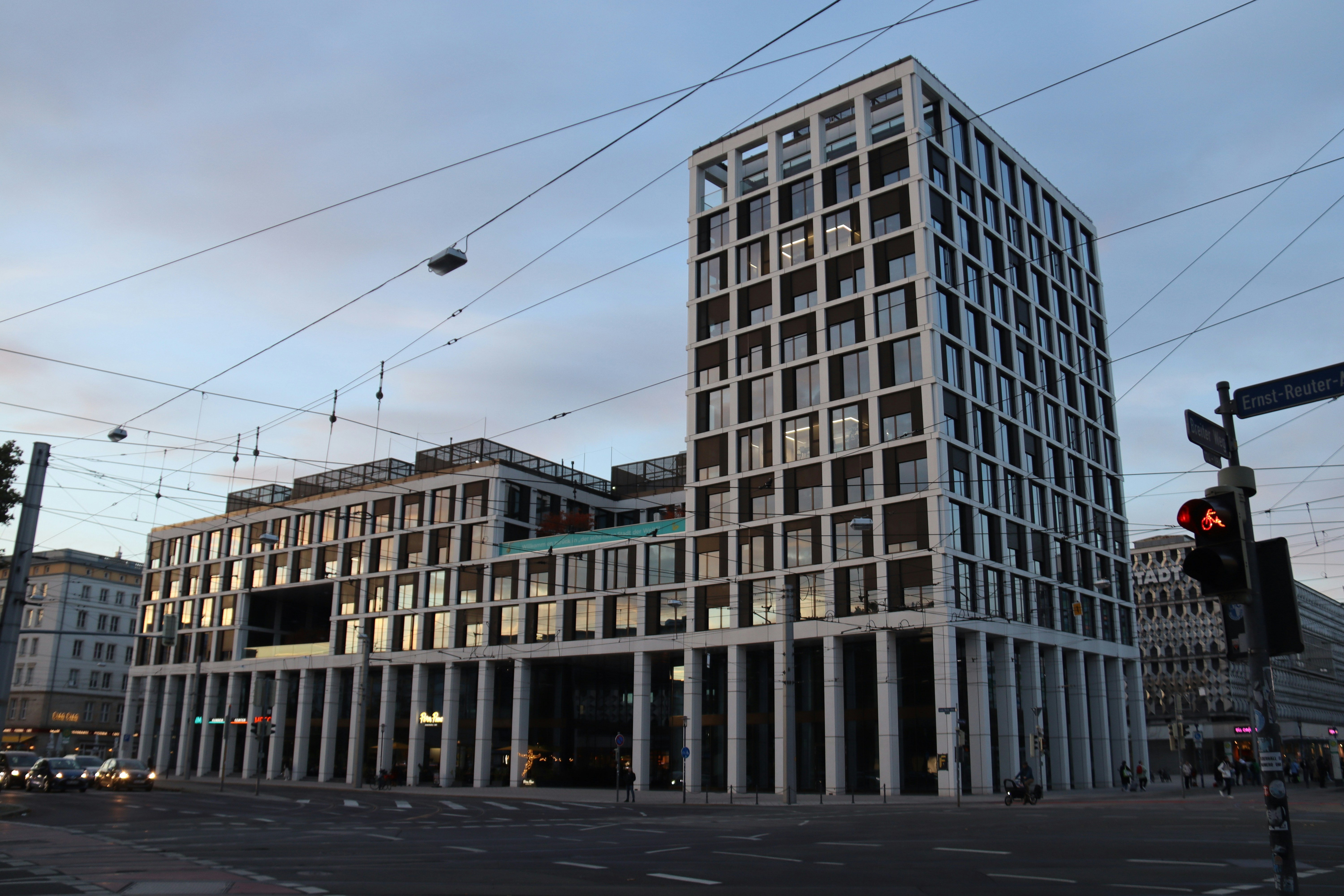
When great rivers shape urban landscapes, something remarkable happens. Cities born along these waterways carry within them a particular kind of character – one forged by commerce, conflict, and constant renewal. Where the Elbe cuts through the heart of Saxony-Anhalt, such a city was built, destroyed, and rebuilt again. Its story has been written in stone and water, in ashes and ambition, in the quiet determination of those who refused to let it fade into history.
Magdeburg - GERMANY
In a country where winding medieval lanes and irregular street patterns reign supreme, one German metropolis dares to be different. The grid system was adopted here long before it became fashionable in modern urban planning. Right angles define nearly every intersection. Addresses get replaced by a curious alphanumeric code. This urban experiment, born from both ambition and necessity, has shaped a character unlike any other in Germany.
Mannheim - GERMANY
Loading, please wait



 Home
Home Wishlist